
Last updated: October 2026. Checked against NASA, EPA, Drexel University and ASPCA sources.
I’ve bought houseplants because the tag said “air-purifying.”
I’ve also killed a few of them. That second part taught me far more.
So let me save you the trouble. These are the 10 best indoor plants for clean air that I’d put in a US home. But the clean-air part is the smallest reason to buy them.
Most lists skip that. They show a pollutant chart and call your living room purified. It isn’t, and Drexel University’s researchers explain why.
Here’s what you’ll get instead. For each plant: the one job it’s genuinely good at, whether it’s safe for your cat or dog, and the mistake that usually kills it.
What you won’t get: promises about allergies, asthma, or smoke. Those need a filter. I’ll show you which kind.
Short on time? Pet-safe: spider plant Beginner: pothos Low light: Chinese evergreen Bathroom: Boston fern Lowest effort: snake plant
So, Do Houseplants Clean Indoor Air?
Yes. In a sealed box.
NASA’s 1989 work put plants in sealed chambers and measured how they handled benzene, trichloroethylene, and formaldehyde, according to the NASA Technical Reports Server.
Your home isn’t a sealed box.
Drexel’s team re-ran the numbers using that old research. They calculated it would take 10 to 1,000 plants per square meter of floor space to match what a couple of open windows already do.
Here’s the part I rarely see mentioned. NASA’s own air-cleaning design didn’t just park a plant on a shelf. It pulled air through an activated carbon bed and the plant’s root zone.
Your pothos on the bookshelf isn’t that.
So I buy plants for what they’re reliably good at. Here are the ten.
The 10 Best Indoor Plants for Clean Air
1. Snake Plant: The Survivor
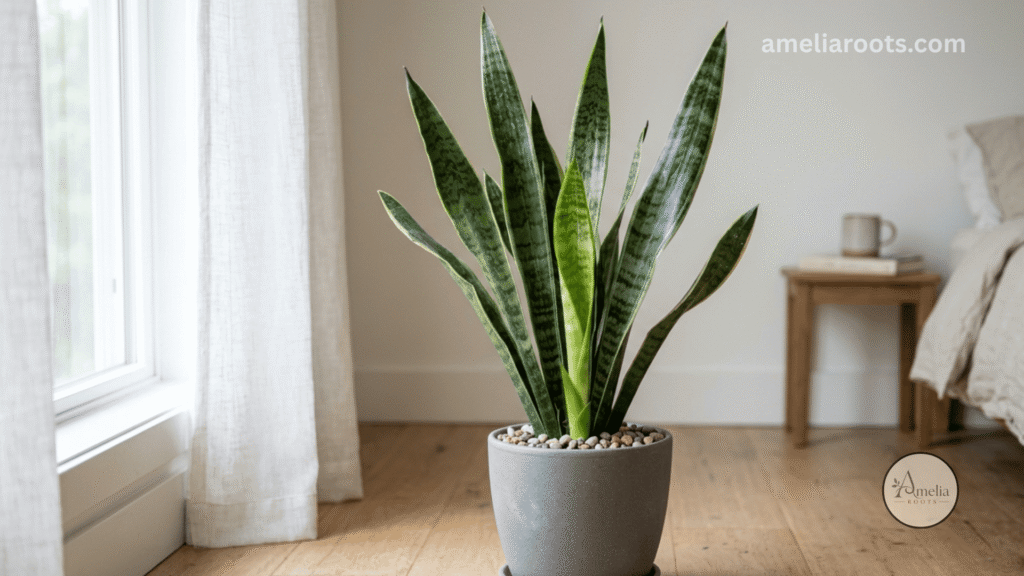
Chamber-tested for: benzene, formaldehyde, trichloroethylene · Light: low to bright · Pets: toxic
It survives almost anything. That’s also how people kill it.
Soft, mushy base and leaves flopping sideways? That’s rot from too much water, not thirst.
Water only when the soil is dry all the way down, usually every 2 to 6 weeks.
One thing I noticed: in a dim stairwell, mine just sat there. Near a window, it started pushing out new leaves.
2. Spider Plant: The Pet-Safe Starter
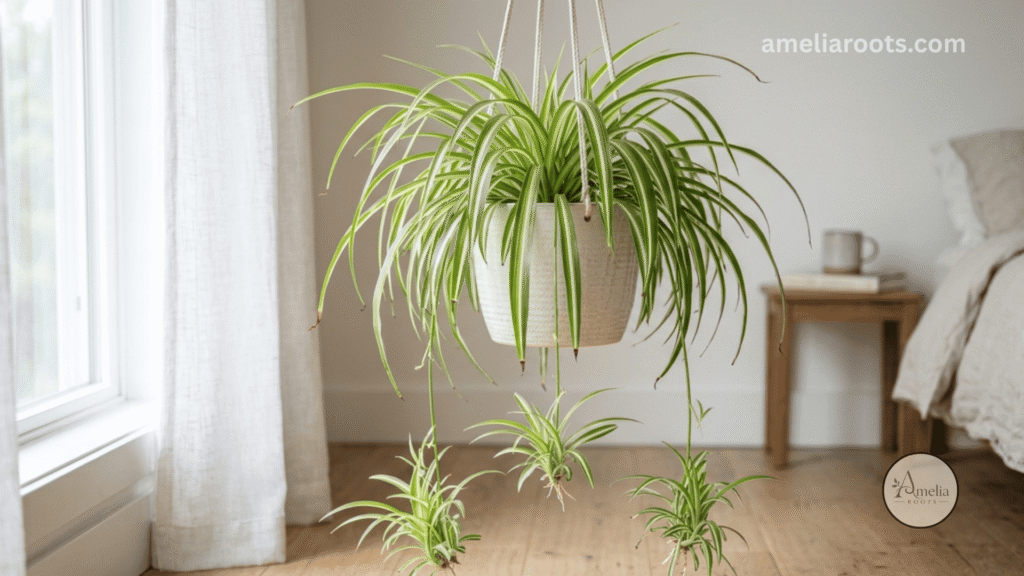
Chamber-tested for: formaldehyde, xylene · Light: bright, indirect · Pets: non-toxic
If you own a cat or dog, start here.
Brown tips are the classic complaint. For me, they came from tap-water minerals and dry winter air, not too little water. Letting tap water sit out, or using filtered water, helped.
It also grows baby plants on long stems. Snip one, root it in water, give it to a friend.
Honest note: it’s on a lot of “purifying” lists. Its real talent is being forgiving.
3. Pothos: The Forgiver
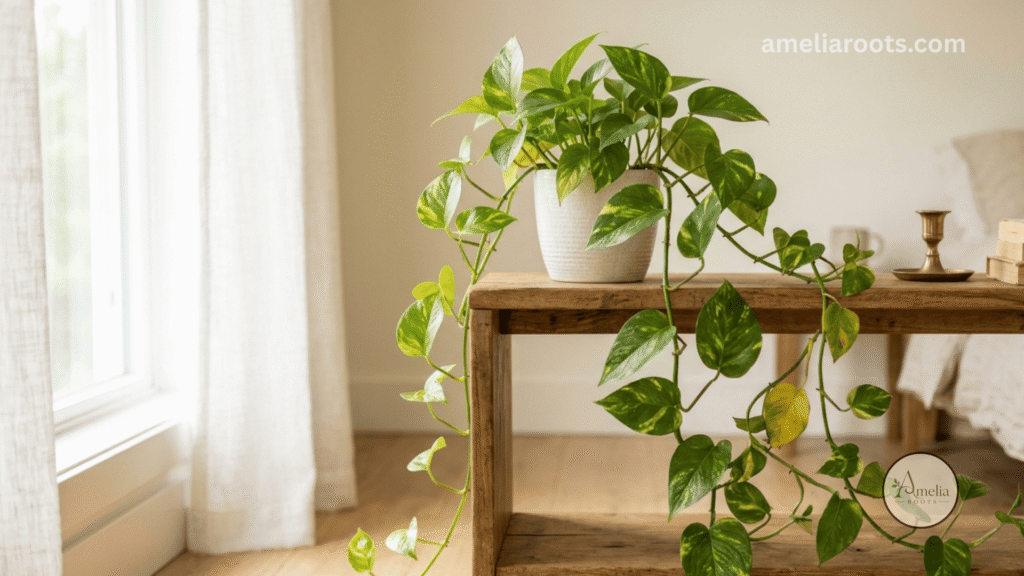
Chamber-tested for: formaldehyde and related VOCs · Light: low to bright · Pets: toxic
It droops when thirsty and bounces back within hours. That’s why it’s the beginner plant.
Yellow leaves, especially the older ones, usually mean too much water.
Keep it on a high shelf if pets roam your home. Chewing it can cause mouth irritation, drooling, and vomiting.
4. Peace Lily: The Honest One
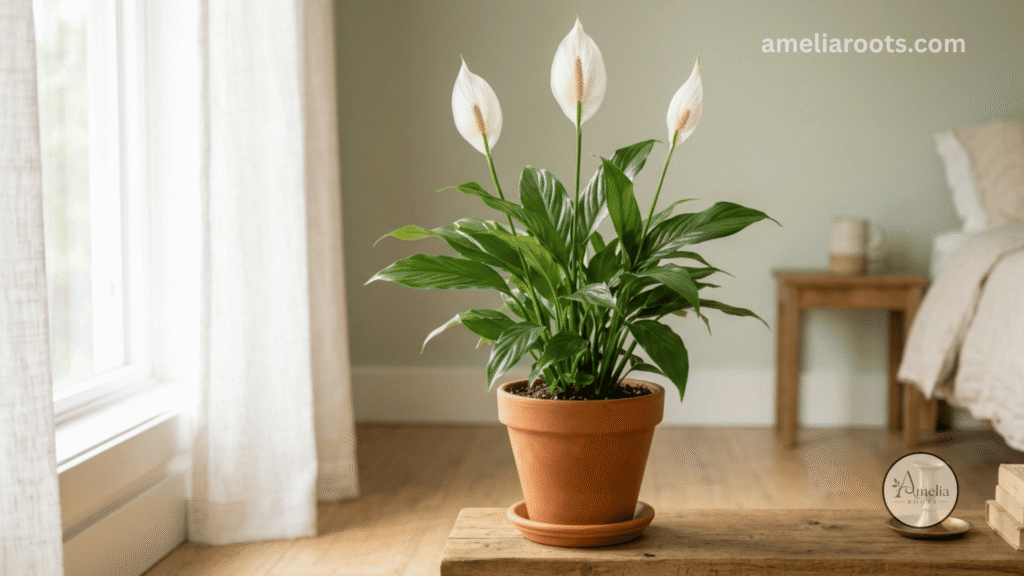
Chamber-tested for: benzene, formaldehyde, trichloroethylene, ammonia · Light: low to medium · Pets: toxic
It faints when it’s thirsty. A good soak and it’s upright again within hours.
Big green leaves but no flowers? Not enough light. Brown tips? Usually dry air or tap-water minerals.
Here’s where I see people get stuck. Is this droop thirst, or is the plant drowning?
Both look alike from across the room. One needs water. The other needs you to stop.
Here’s how I tell them apart:
| Check | Thirsty | Drowning |
|---|---|---|
| Soil, 2 inches down | Dry | Wet, sometimes sour-smelling |
| Leaves | Droopy but firm | Yellowing and soft |
| After a good soak | Perks up in hours | Stays limp |
That single question sinks more plants than any pollutant ever will. So I wrote the answers down in one place.
Grab the Indoor Plants Care Kit. It’s free. It helps you read light, soil, and leaf symptoms before you reach for the watering can.
(Peace lily isn’t a true lily, but its leaves can still irritate a pet’s mouth and stomach. Keep it out of reach.)
5. Boston Fern: The Diva

Chamber-tested for: formaldehyde, xylene · Light: bright, indirect · Pets: non-toxic
Gorgeous, and dramatic.
Crispy, shedding fronds? Check where it’s sitting. Radiators and heating vents dry it out fast.
A bathroom with a window is its natural home. In a dry living room, it’s real work.
6. Areca Palm: The Showpiece
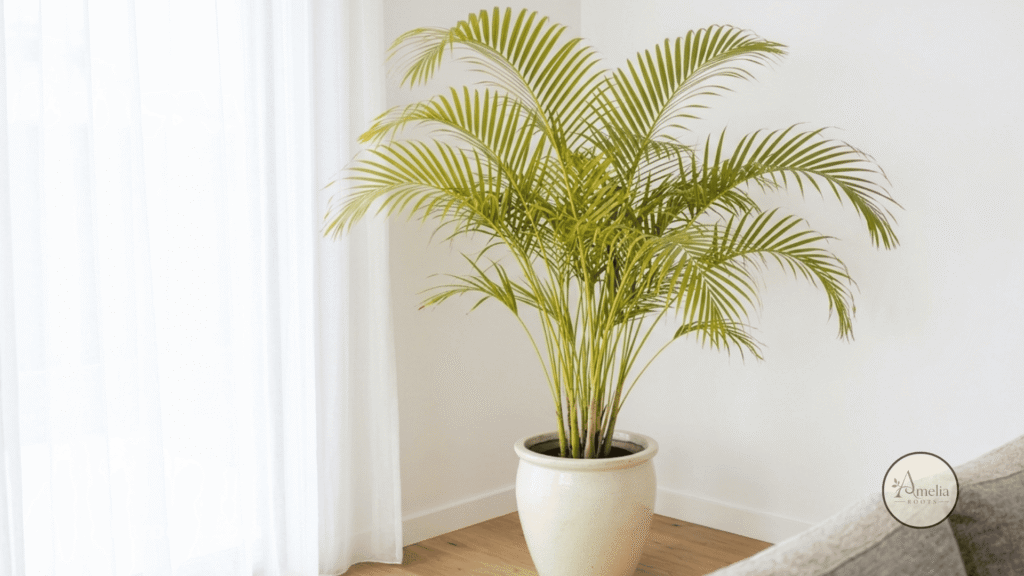
Chamber-tested for: formaldehyde, xylene, toluene · Light: bright, indirect · Pets: non-toxic
One big plant that makes a room look finished.
Brown tips again? Dry air, hard water, or letting it go bone-dry and then flooding it.
Direct afternoon sun scorches the fronds.
Buy a medium size and let it grow. Big ones get pricey.
7. Bamboo Palm: The Pet-Safe Giant
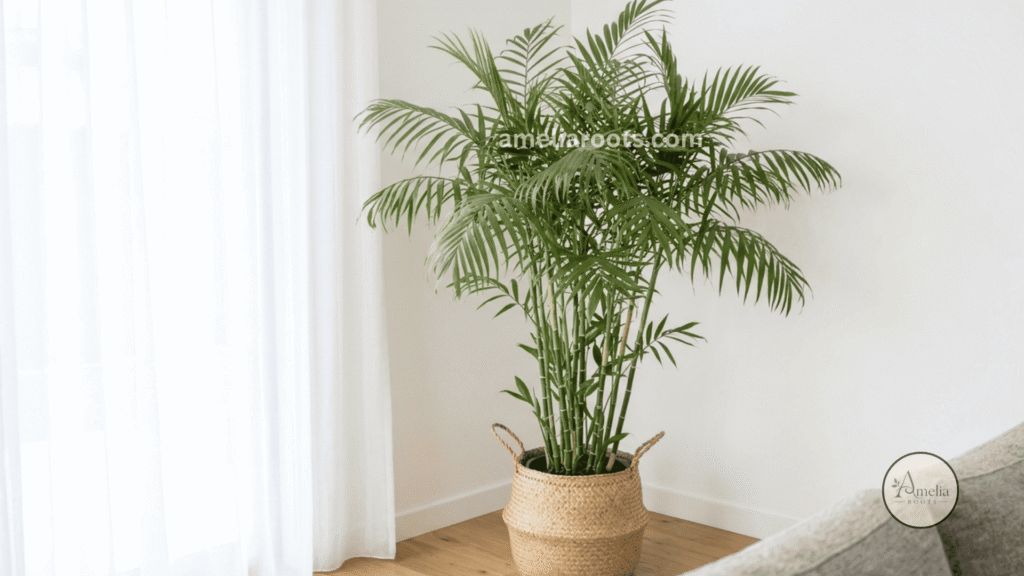
Chamber-tested for: formaldehyde, benzene, trichloroethylene · Light: medium to bright · Pets: non-toxic
Check the tag first. “Bamboo palm” is not “lucky bamboo.” Lucky bamboo is toxic to pets.
This one has a soft, tropical look and likes steady moisture.
In dry air, look under the leaves for fine webbing. That’s spider mites. Wipe the fronds down early.
8. Chinese Evergreen: The Dim-Room Specialist
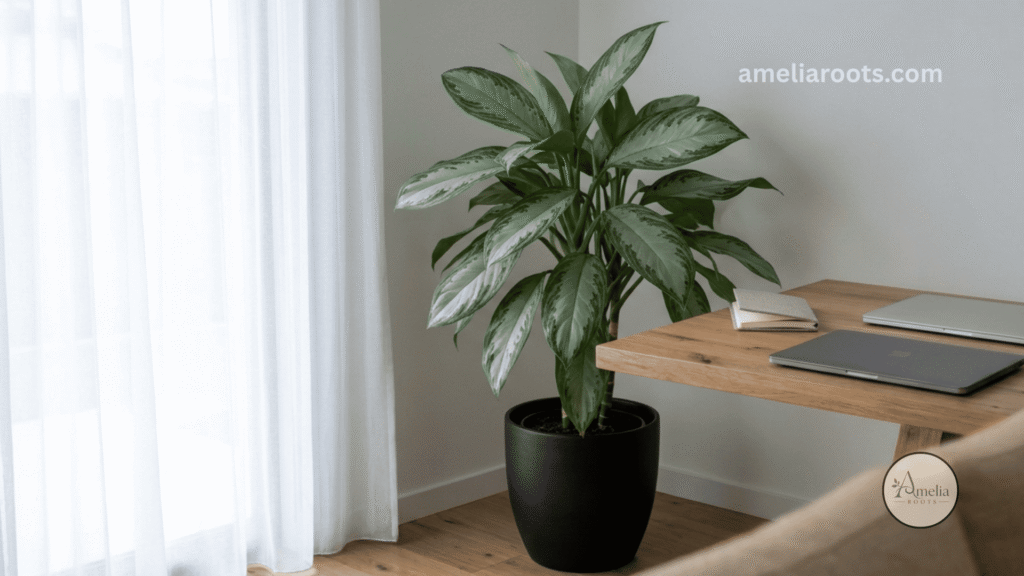
Chamber-tested for: benzene, formaldehyde · Light: low to medium · Pets: toxic
If your apartment gets almost no direct sun, start here.
It’s a forest-floor plant, so dim rooms actually suit it.
Cold is its enemy. Blotchy, curling leaves near a drafty window? That’s cold damage. Move it.
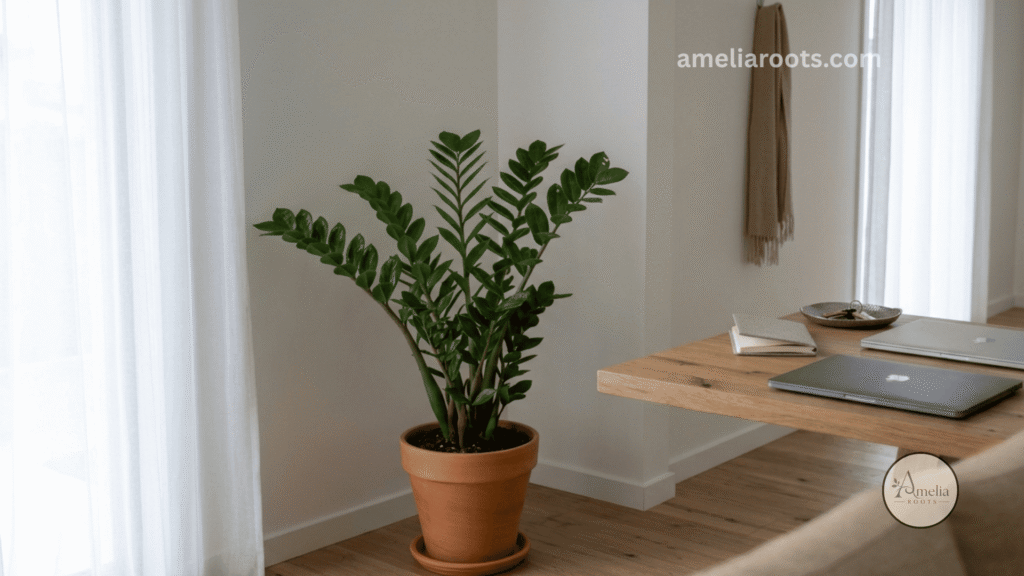
9. ZZ Plant: The Skipper’s Friend
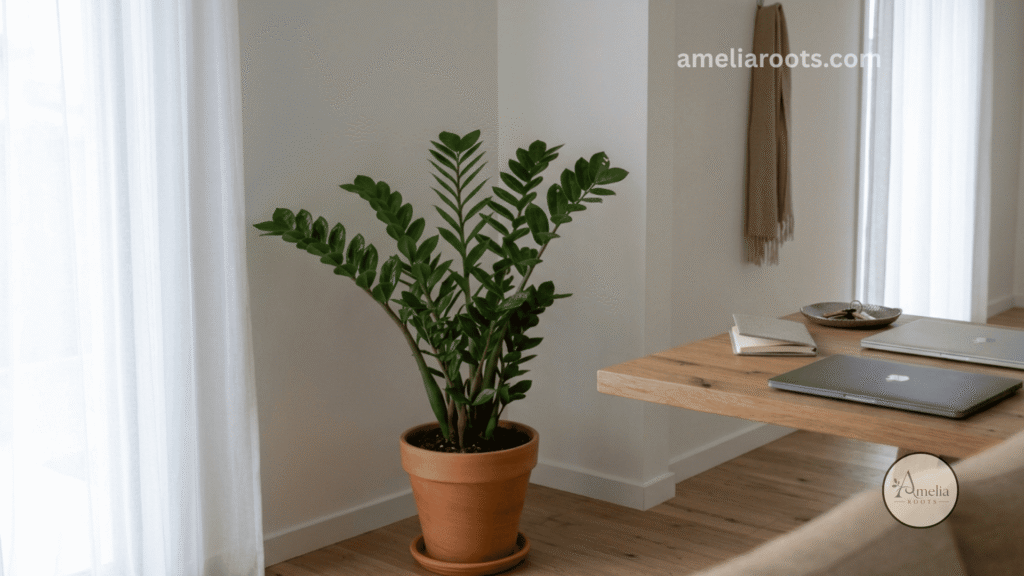
Chamber-tested for: not on NASA’s original lists, so the air evidence is thin · Light: low to bright · Pets: toxic
I’m including this one for toughness, not chemistry. I’d rather say so than fake it.
Thick underground stems store water. Skipping a few weeks rarely hurts.
Yellow, mushy stems? Overwatered.
And remember: “low-light tolerant” means it survives, not thrives. Give it a window if you want new growth. The sap can irritate skin, so wash your hands after repotting.
10. Parlor Palm: The Small-Space Option
Chamber-tested for: palms appear on NASA-derived lists, but the evidence for this one is thinner · Light: low to medium · Pets: non-toxic
Compact, safe, and calm.
It’s slow. Don’t expect a big plant fast.
Dry heated air brings spider mites, same as the other palms.
Pet Check Before You Buy
Safe for cats and dogs: spider plant, Boston fern, areca palm, bamboo palm, parlor palm.
Toxic: snake plant, pothos, peace lily, Chinese evergreen, ZZ plant.
Common names get mixed up. Look up the botanical name in the ASPCA’s toxic and non-toxic plant database before you buy.
If your pet chews a toxic plant, call your vet or the ASPCA Animal Poison Control Center (the number is on that same page). A consultation fee may apply.
Which One for Your Room?
Bedroom: snake plant or Chinese evergreen. Pick them for looks and easy care, not for nighttime air.
Bathroom with a window: Boston fern.
Dim apartment: Chinese evergreen, pothos, or ZZ.
Pet household: spider plant, areca palm, or parlor palm.
Dry, heated winter home: snake plant, spider plant, or ZZ. Keep ferns away from vents.
What Actually Cleans Your Air
If clean air is the real goal, the EPA’s guidance follows a clear order: remove the source, ventilate, then filter.
1. Cut the source. Pressed-wood furniture, strong cleaners, and heavily scented products all add VOCs.
2. Ventilate. Open windows when outdoor air is decent. Run exhaust fans when you cook or shower.
3. Filter. For dust, smoke, pollen, and pet dander, use a HEPA purifier.
Drexel’s Michael Waring says a typical particle purifier is around 5,000 times more effective than plants.
One warning: skip “ionizing” purifiers that make ozone. The EPA’s air cleaner guide explains the concern.
| Problem | Plants | HEPA purifier |
|---|---|---|
| Dust and pollen | No | Yes |
| Smoke and pet dander | No | Yes |
| Mood and looks | Yes | No |
Quick Answers
Do houseplants really clean indoor air? Only slightly, and mostly in sealed lab tests. Iowa State Extension says they have little effect on air quality in a home or office.
Which air purifying plants are pet-safe? Spider plant, Boston fern, areca palm, bamboo palm, and parlor palm are non-toxic to cats and dogs.
How many plants does it take to clean a room? Per Drexel’s analysis, at least 10 and up to 1,000 per square meter of floor space. That’s not realistic for a home.
Do I still need an air purifier? If you have allergies, pets, or smoke nearby, yes. Plants can’t replace one.
My Honest Advice
Pick two or three plants, not ten.
Match them to your light and your pets first. The air benefit is a bonus.
And before you water anything this week, push a finger two inches into the soil. That one habit has saved more of my plants than any list ever did.
Also Read
10 Best Low-Light Indoor Plants for Apartments

Content writer and SEO specialist with 3+ years of experience in research-driven digital content. At Amelia Roots, he turns carefully researched indoor gardening information into clear, practical guidance for houseplant owners and home gardeners. His work combines content research, search intent, and reader-focused writing with the site's editorial and subject-matter review process.