
Pothos, snake plant, ZZ plant, spider plant, and heartleaf philodendron cover almost every beginner situation. That’s the fast answer. The part that keeps a plant alive is knowing which one fits your light, your watering habits, and whether you have a cat that eats everything green.
I’ve killed a succulent I was told was impossible to kill. I’ve also kept a ZZ plant alive in a windowless corner for over a year on almost no attention. The difference wasn’t luck. It was matching the plant to the conditions I had, not the conditions the nursery tag assumed I’d have.
Below are the 10 plants I’d recommend to a beginner, numbered, with the light and watering rule for each, plus the mistakes that kill “easy” plants before they get a fair chance.
Quick picks by situation
- Best overall starter plant: Golden pothos
- Best if you always forget to water: ZZ plant or snake plant
- Best for a truly dark room: Snake plant, ZZ plant, or cast iron plant
- Best for fast, visible growth: Pothos, spider plant, or tradescantia
- Best if you have cats or dogs: Spider plant, peperomia, or a maranta
- Best compact plant for small spaces: Peperomia
- Best if you tend to overwater: Pothos, because it droops and recovers, so you learn to wait
- Best “looks impressive fast” plant: Heartleaf philodendron
Why “easy” isn’t the right question
Every plant list uses the word easy. Almost none explain what it means, and that gap is where beginners lose their first plant.
Easy doesn’t mean a plant needs nothing. It means it forgives one specific kind of mistake.
- Snake plant forgives forgetfulness, not overwatering.
- Pothos forgives inconsistent watering, not total darkness.
- Succulents forgive drought, almost never a decorative pot with no drainage hole.
So the real question isn’t “what’s the easiest plant.” It’s “which mistake am I most likely to make, and which plant tolerates that mistake.”
My own mistake: my first succulent came from a “beginner plants” table at a garden center, sitting next to snake plants and pothos as if they all needed the same care. I watered it once a week because that felt responsible. Six weeks later the base was mushy and the leaves pulled off with almost no resistance. The plant wasn’t hard to kill. I gave it care meant for a completely different kind of plant.
The 10 best plants for beginners, compared
| # | Plant | Light | Watering Rule | Growth | Pet Safe | Difficulty |
|---|---|---|---|---|---|---|
| 1 | Golden pothos | Low to bright, indirect | Top 2 in. dry | Fast | No | 1/5 |
| 2 | Snake plant | Low to bright | Soil fully dry | Slow | No | 1/5 |
| 3 | ZZ plant | Low to medium | Soil fully dry | Slow | No | 1/5 |
| 4 | Spider plant | Medium to bright | Top 1 in. dry | Fast | Yes | 2/5 |
| 5 | Heartleaf philodendron | Medium to bright | Top 2 in. dry | Fast | No | 1/5 |
| 6 | Peperomia | Medium, indirect | Top half dry | Moderate | Yes | 2/5 |
| 7 | Cast iron plant | Low to medium | Mostly dry | Very slow | Yes | 1/5 |
| 8 | Tradescantia | Medium to bright | Top 1 in. dry | Fast | Mild irritant | 2/5 |
| 9 | Ponytail palm | Bright | Fully dry, drought-tolerant | Slow | Yes | 2/5 |
| 10 | Chinese evergreen | Low to medium | Top 2 in. dry | Moderate | No | 2/5 |
Swipe left or right to view the full table →
None of these are “water every Sunday” instructions on purpose. A fixed schedule ignores the season, the room, and how much light the plant is getting, which is how well-meaning beginners end up overwatering plants that are supposed to be forgiving.
The 10 plants, one at a time
Light, watering, and pet-safety numbers for each are in the table above. What follows is what matters day to day: how each one behaves in a real room, and where beginners go wrong with it.
1. Golden pothos
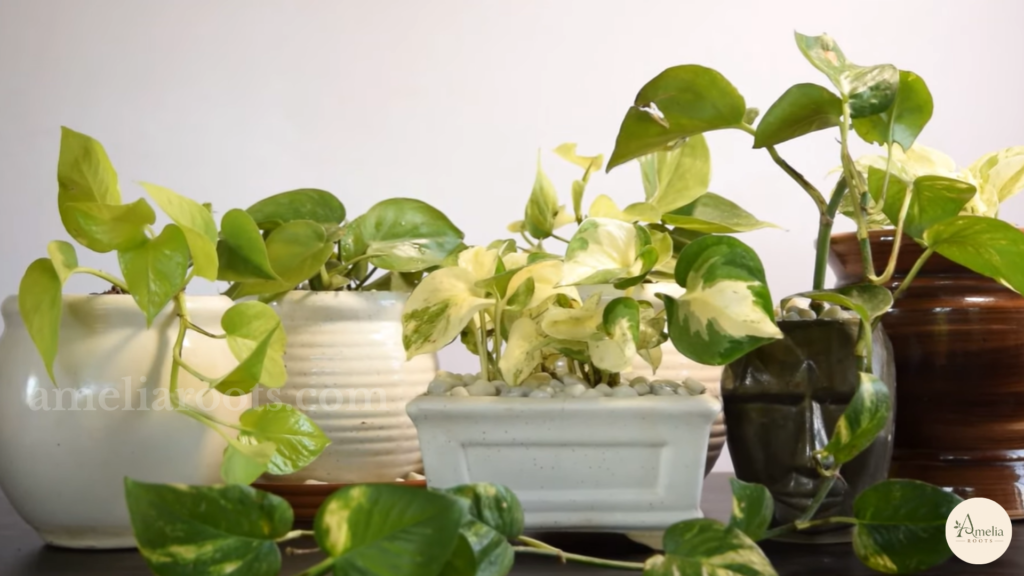
The first time mine drooped, I thought I’d already killed it. Leaves down, a little dull, maybe eight months into owning my first houseplant ever. I watered it out of panic more than confidence. Four hours later it looked completely different, leaves back up, color back. That was the moment pothos clicked for me: it doesn’t hide what it needs. It shows you, then rewards you fast enough that the lesson sticks.
That same trait is what trips people up. Because it recovers so well from underwatering, beginners assume more water is always the safe move. It isn’t. Sitting in wet soil for days at a time rots the roots just as easily as it would on any other plant. North Carolina State Extension’s growing notes back this up: it wants the mix to fully dry out between waterings, not just look dry on top.
2. Snake plant
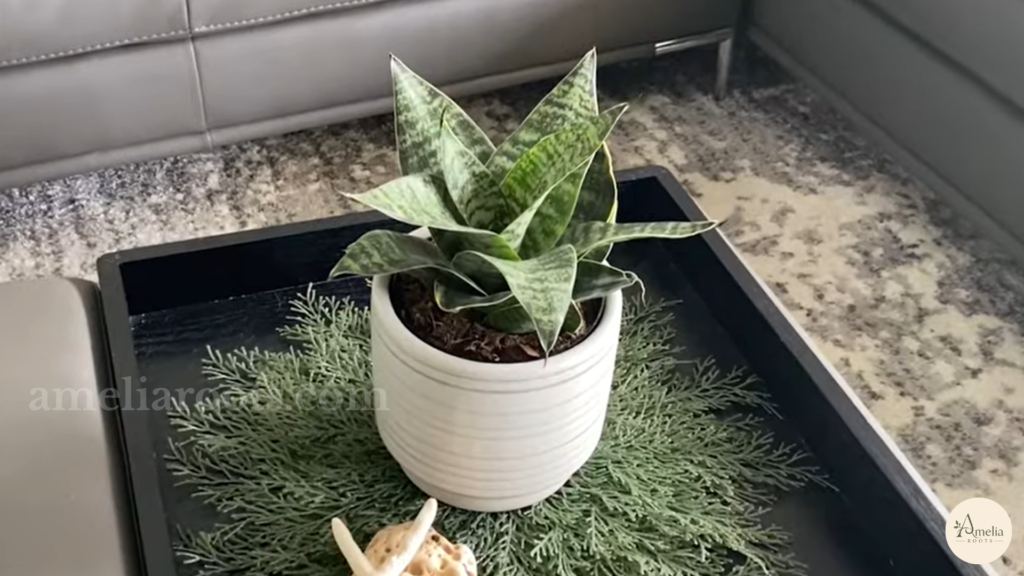
Ask five people if a snake plant can die and four will laugh at the question. It can. Slowly, and usually from the opposite direction people expect.
Mine sat in a hallway with almost no window for two straight months once, forgotten, and came out fine. What it didn’t survive as well was a stretch where I was watering it on the same rhythm as the pothos next to it, because in that lower light it simply wasn’t using water at that pace. The base started feeling soft before I caught it and backed off. Lower light means slower water use, which means longer stretches between waterings, sometimes three or four weeks apart indoors.
A rough test for whether a room even qualifies as “low light” rather than “no light”: if you can’t comfortably read a paperback there during the day, a plant won’t do much better than you would.
3. ZZ plant
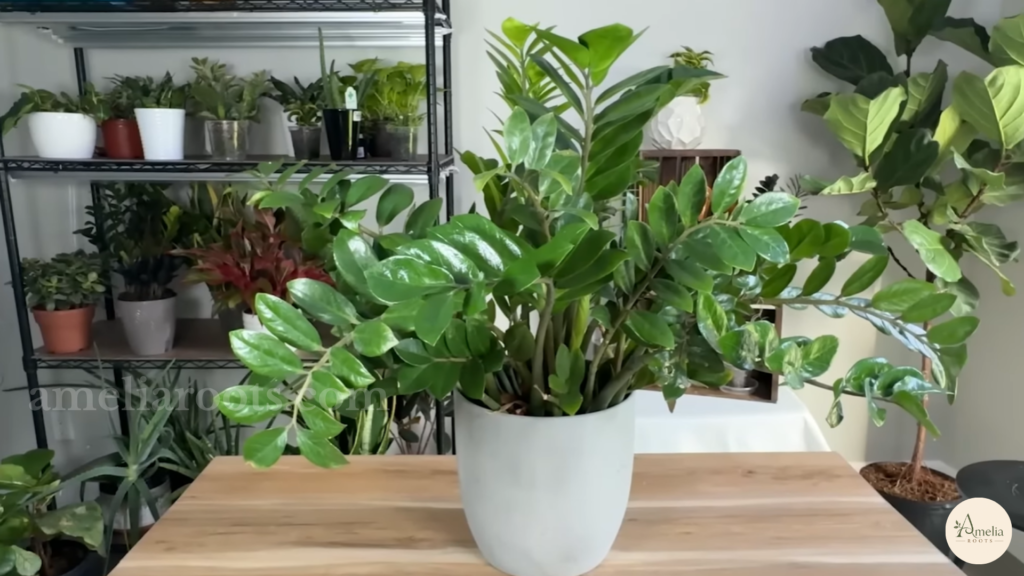
I recommend this one specifically to people who’ve told me, unprompted, that they forget their plants exist for weeks at a time. It’s built for that. The rhizome under the soil stores water like a reserve tank, which is why mine has sat in a corner with almost no direct light for well over a year now, watered maybe once every five or six weeks, and never once looked stressed.
The one habit that undoes it: seeing slow growth and assuming something’s wrong, then watering more to “help.” Slow is the whole point of this plant. Extra water is the real threat, not the slow growth.
4. Spider plant
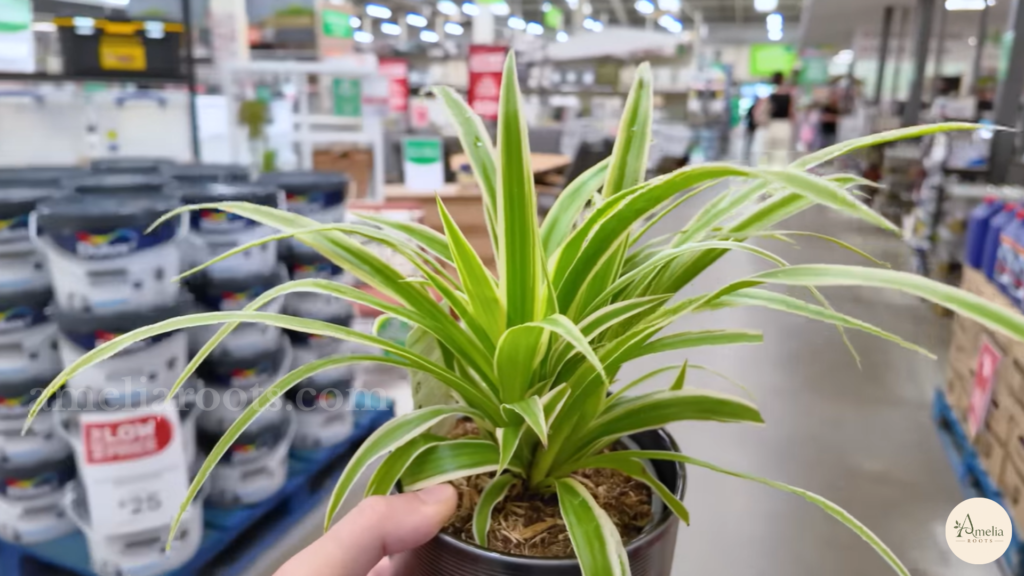
For a pet-friendly home, this is one of the better picks on the whole list, and it’s satisfying enough to grow that beginners stick with it instead of losing interest. Mine sent out its first plantlets within a couple of months on a bright windowsill.
The brown tips that show up eventually aren’t usually about watering at all, even though that’s most people’s first guess. More often it’s minerals in tap water or dry indoor air. Snipping the tips off is cosmetic tidiness, not a fix, so don’t lose sleep over it.
5. Heartleaf philodendron
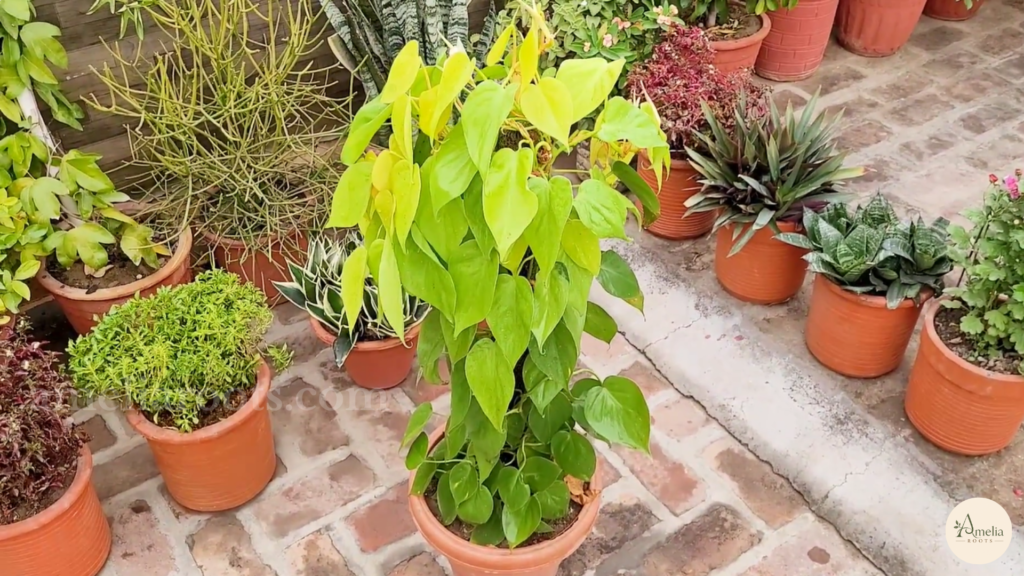
Close cousin to pothos in almost every way, forgiving of the same mistakes, growing at roughly the same pace, with slightly glossier and more heart-shaped leaves. The one real difference I’ve noticed growing both side by side: philodendron thins out and gets leggy in low light noticeably faster than pothos does. If your only bright-ish spot is already claimed by a pothos, this one wants the next best spot in the house, not the leftover dark corner.
6. Peperomia
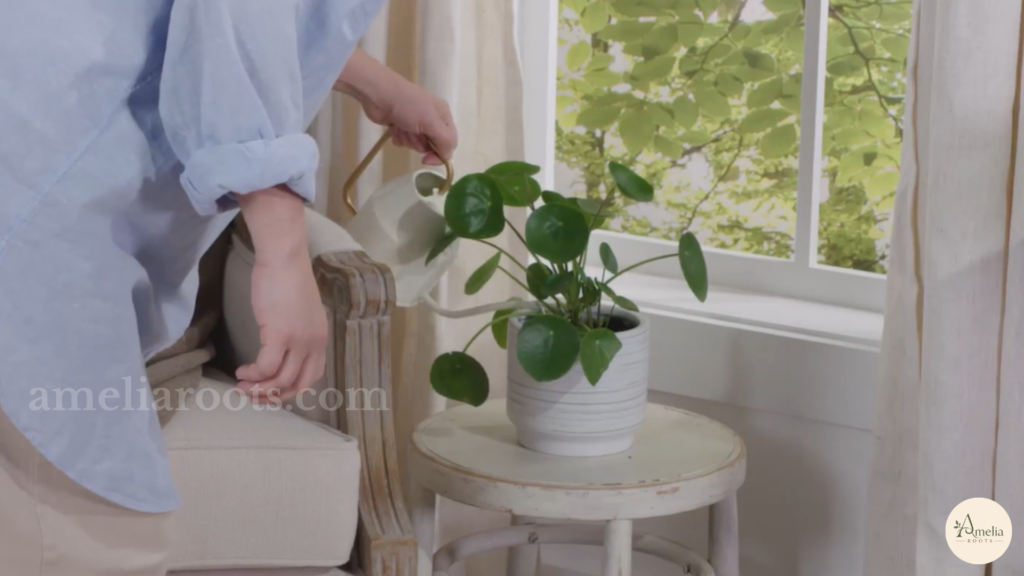
Small pots, small desks, small apartments, this is the plant that fits where nothing bigger will. I’ve grown a few varieties over time, including ‘Jellie,’ and the same rule holds across all of them: the leaves are thick and slightly succulent, so they store some water on their own. That means the soil needs a real dry-down between waterings, not the same routine you’d use on a thinner-leafed plant. Keep it consistently damp and it declines fast despite looking sturdy.
7. Cast iron plant
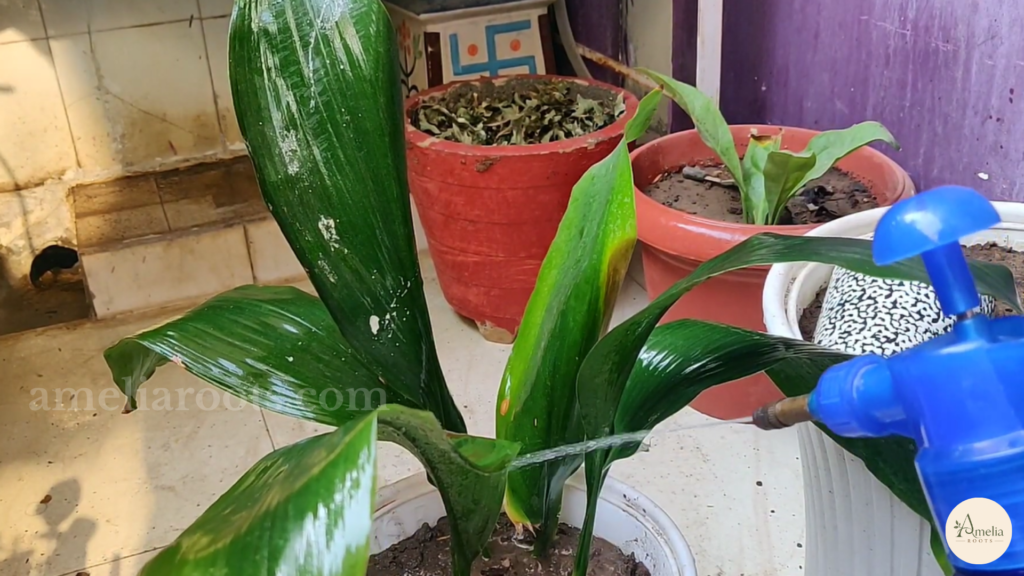
Nothing about this plant is fast, and that’s the whole point. It’s the pick for a corner that barely sees daylight and needs something that will just sit there, alive, without demanding attention.
The catch is psychological more than practical. New plant owners sometimes assume it’s dying because nothing visibly happens for weeks, when it’s simply doing what it always does. As a first plant, that silence can be discouraging. Once you’ve got one or two others going and trust your own instincts a bit more, it’s an easy, low-stress addition to the shelf.
8. Tradescantia
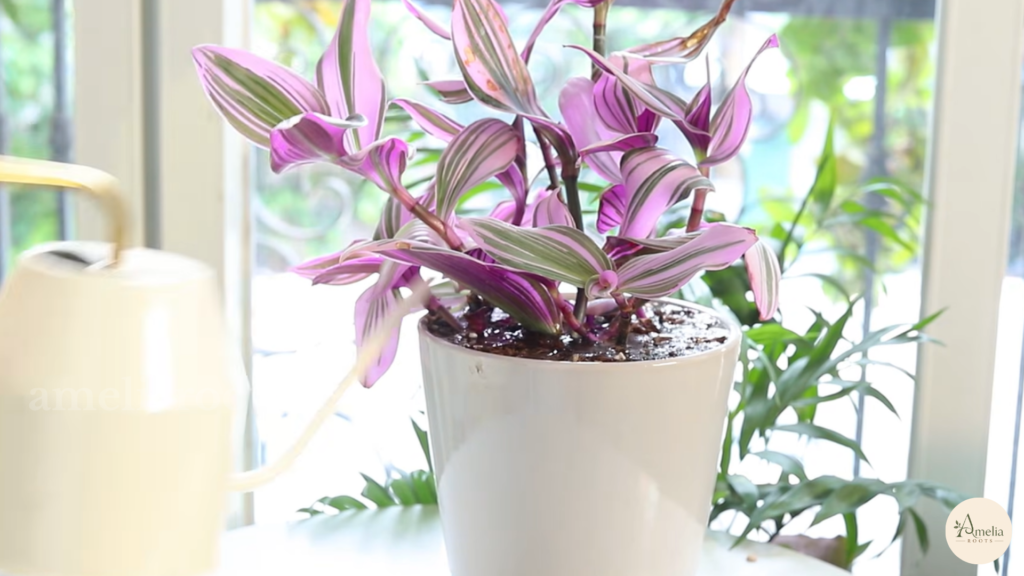
The purple-and-green zebrina variety is the plant I’d hand someone who wants to see a difference every single week. Left completely alone, though, it gets leggy and sparse near the base within a couple of months, so it needs the growing tips pinched back regularly. The upside is that every pinch turns into a free cutting, so one plant slowly becomes three or four without spending anything.
9. Ponytail palm
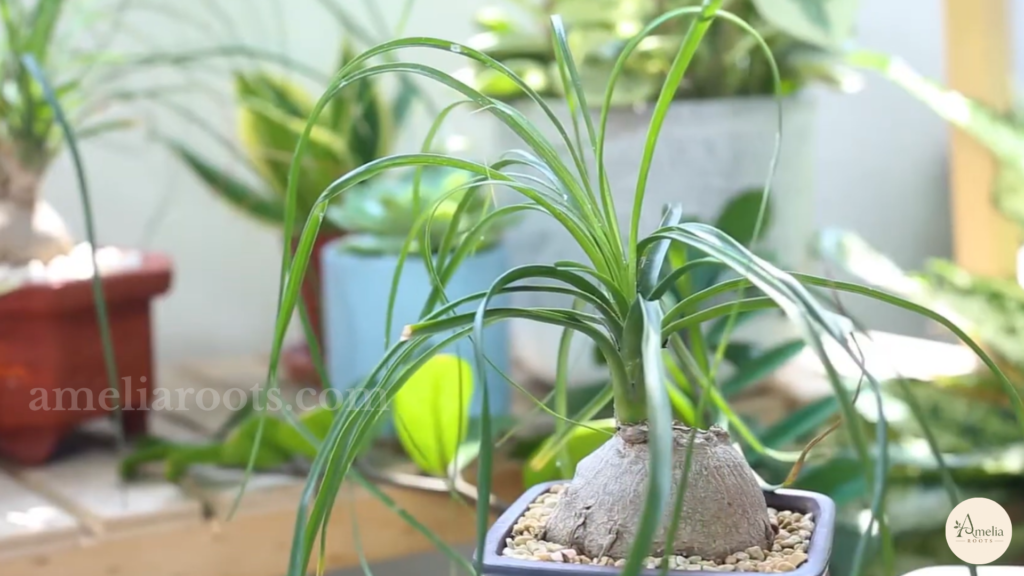
Despite the name, it’s not a palm at all, and it doesn’t behave like one. It stores water in that bulbous base the way a succulent stores it in its leaves, which means it wants the same treatment: full dry-out between waterings, and a genuine bright spot rather than a shaded one.
The tell for whether it’s due for water isn’t the soil, it’s the trunk. Press it. Firm means it’s fine. Soft means you’re already behind.
10. Chinese evergreen
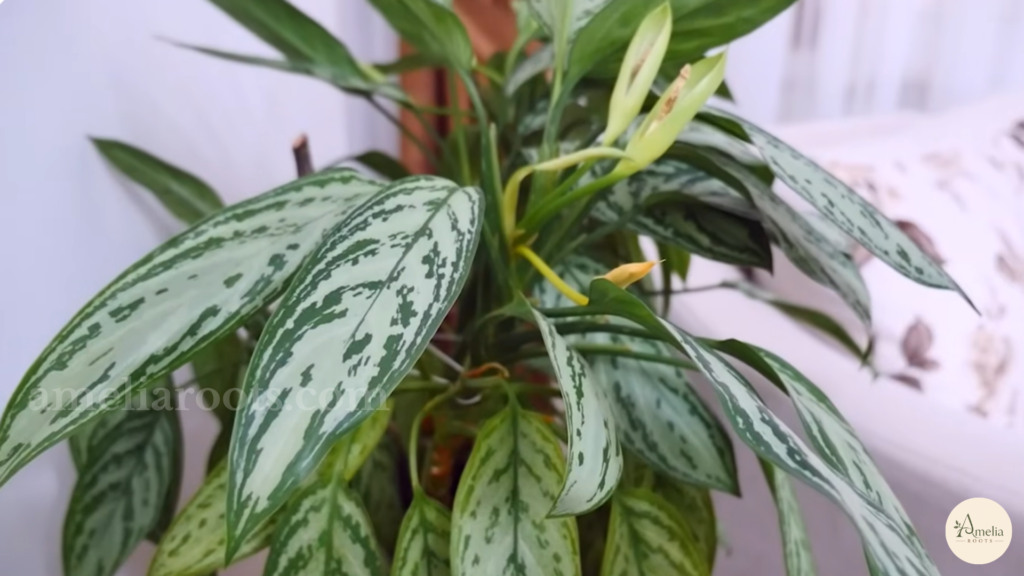
A dependable option for a room that gets some light but not a lot, with leaf patterns ranging from plain deep green to pink-flushed depending on the variety you find. The mistake here is watering it like a plant in brighter light. The dimmer the spot, the slower it drinks, and the more your watering rhythm needs to stretch to match that.
Plants marketed as easy that usually aren’t
Some of the most confident “beginner plant” recommendations set people up to fail, not because the advice is technically wrong, but because it leaves out the conditions the plant actually needs to work.
Succulents and cacti. Drought-tolerant, yes. Well-matched to most indoor light, rarely. Most homes don’t have the several hours of direct sun a succulent needs, so people compensate by watering more, which is the opposite of what it wants. This is how I lost mine: it wanted full sun and dry soil, and I gave it a windowsill and a weekly watering can.
Peace lily. It gets recommended because it wilts dramatically when thirsty and recovers after watering, which sounds like the same feedback loop as pothos. In practice, that dramatic wilt-and-recover cycle is harder to manage well, and repeated wilting weakens the plant over time instead of teaching a clean lesson.
Fiddle leaf fig. Gorgeous, heavily marketed, and fussy about consistent light, drafts, and even being rotated. Not a first-plant recommendation despite showing up in nearly every beginner roundup.
Calathea and prayer plants. These want consistent humidity most homes don’t have without a humidifier or pebble tray, and they show stress through curling or crispy edges almost immediately. Beautiful. A second or third plant, not a first one.
Choose your plant in under a minute
Answer these in order. Stop at the first one that fits.
- Do you forget to water for weeks at a time? Yes -> ZZ plant or snake plant.
- Is your space dim, with little to no direct daylight? Yes -> snake plant, ZZ plant, or cast iron plant.
- Do you have a cat or dog that chews on plants? Yes -> spider plant, peperomia, or a maranta.
- Do you want visible growth within a couple of weeks? Yes -> pothos, spider plant, or tradescantia.
- None of the above fit? Pothos is still the safest general pick, especially if you tend to overcare rather than neglect.
The mistakes that actually kill “easy” plants
Almost nobody kills a beginner plant because they picked the wrong species. They kill it through one of these five habits, regardless of which plant they bought.
Watering on a fixed schedule instead of checking the plant. Every Sunday, like clockwork, feels responsible. It isn’t. Water use changes with the season, the light, the pot size, and the humidity in your home. Check the soil a couple of inches down, feel the weight of the pot, look at the leaves, and let that decide, not the calendar.
Misunderstanding “low light.” Low light means dim, ambient daylight, not darkness. If a room is too dark to comfortably read a paperback in during the day, it’s too dark for a living plant without a grow light. Retail tags rarely explain that distinction, and it’s the single most common misunderstanding I see repeated by new plant owners.
Skipping drainage. A decorative pot without a hole is one of the fastest ways to lose an otherwise healthy plant. Water needs somewhere to go. Keep the plant in its nursery pot with drainage, and slide that into the decorative pot as a cover.
Missing root rot until it’s too late. The symptoms mimic underwatering: yellowing leaves, wilting even though the soil feels wet, a faint sour smell from the pot. If a plant looks thirsty but the soil is already damp, the roots may be too damaged to absorb water properly. Adding more water at that point makes it worse.
Treating pests as a one-time fix. Fungus gnats, spider mites, and mealybugs show up eventually on almost every collection, easy plants included. One treatment applied once rarely finishes the job. It usually takes repeated treatment over several weeks, plus isolating the affected plant so it doesn’t spread.
When “easy” still gets complicated
If you recognized even one of your own habits in that list, that’s normal. Every plant owner has a pattern, whether it’s the fixed-schedule watering, the “it looked thirsty so I gave it more” instinct, or just not knowing what a yellow leaf means.
What changes the outcome isn’t memorizing ten plant profiles. It’s having something to check against the moment a leaf looks off, before it becomes a dead plant instead of a fixable one.
That’s the exact gap the Indoor Plant SOS Guide closes. It’s the troubleshooting reference I wish I’d had before I lost that first succulent, organized by symptom instead of by plant: what yellow leaves usually mean versus what mushy stems mean, how to tell root rot from simple underwatering before you make it worse, and the specific watering adjustment each plant above needs once you know your real light situation. It’s free, and it’s built for the exact moment you’re standing over a plant wondering if it’s dying or just adjusting.
Pet safety at a glance
| Plant | Safe for cats and dogs? |
|---|---|
| Golden pothos | No |
| Snake plant | No |
| ZZ plant | No |
| Spider plant | Yes |
| Heartleaf philodendron | No |
| Peperomia | Yes |
| Cast iron plant | Yes |
| Tradescantia | Mild irritant |
| Ponytail palm | Yes |
| Chinese evergreen | No |
“Pet-safe” means non-toxic if chewed occasionally, not that a pet should be eating your houseplants as a habit. If your pet has direct access to any plant and you’re unsure about a specific variety, the ASPCA’s toxic and non-toxic plant database is worth the two minutes it takes to check, and it’s the same reference most vets point to first.
Frequently asked questions
What is the easiest houseplant to keep alive?
Golden pothos and ZZ plant are usually tied, but for different reasons. Pothos forgives inconsistent watering and shows you clearly when it needs water. ZZ plant forgives long stretches of neglect and tolerates low light better than almost anything else on this list.
What is the best indoor plant for a total beginner?
Golden pothos, because it gives clear visual feedback (drooping, then recovering) that teaches you to read a plant’s needs instead of guessing on a schedule.
Which beginner plants tolerate low light?
Snake plant, ZZ plant, and cast iron plant handle dim rooms better than most, though low light still means some usable daylight, not none.
Are succulents good for beginners?
Only with strong, direct light for several hours a day. Without it, people compensate with more frequent watering, which is the opposite of what a succulent needs and the most common way beginners lose one.
Which plants are safe for cats and dogs?
Spider plants, peperomias, cast iron plants, and ponytail palms are commonly considered pet-safe. Pothos, philodendron, snake plant, ZZ plant, and Chinese evergreen are not.
How many plants should a beginner start with?
One or two. It’s tempting to buy five at once, but starting small lets you learn that plant’s actual rhythm before adding more variables.
Why do my plant’s leaves turn yellow?
Most often it’s overwatering, not underwatering, especially if the soil feels consistently damp. Check the roots if you can. Firm, light-colored roots are healthy; dark, mushy roots point to rot.
How often should I water a beginner plant?
There’s no single number that works across seasons, rooms, and pot sizes. Check the soil a couple of inches down, or the weight of the pot, instead of relying on a fixed number of days.
What’s the cheapest beginner houseplant?
Pothos and spider plant are usually the least expensive and easiest to find, and both propagate easily from cuttings, so one plant becomes several for free.
Should I buy plants online or locally?
Local nurseries let you inspect for pests and root health before buying, which online retailers don’t allow. For common beginner plants like pothos or snake plant, local is the safer first purchase.
The plant that fits you beats the plant that’s “best”
Every list like this one eventually points to pothos, snake plant, or ZZ plant, and for good reason. But the plant that survives in your home is the one that matches how you really behave, not the one with the most confident marketing.
Check your light honestly. Be honest about whether you forget things or fuss over them. Start with one plant, learn its rhythm, and let that experience decide what you bring home next.

Content writer and SEO specialist with 3+ years of experience in research-driven digital content. At Amelia Roots, he turns carefully researched indoor gardening information into clear, practical guidance for houseplant owners and home gardeners. His work combines content research, search intent, and reader-focused writing with the site's editorial and subject-matter review process.