
I killed a Calathea in three weeks.
The tag said “perfect for dark apartments.” I watered it like the care instructions suggested. By week two, the leaf edges turned brown. By week three, it was dead. The problem wasn’t the low light—it was that I watered it on a schedule meant for bright light, and the soil stayed wet in conditions where the plant barely used water.
That failure changed how I approach apartment plants.
After three years of testing plants in my Chicago apartment (north-facing window, AC nine months a year, humidity at 22%), plus tracking patterns across Reddit’s houseplant communities, I’ve learned the real distinction: low-light plants survive rather than thrive, and most die from overwatering—not darkness.
Table of Contents
The 10 Best Low-Light Plants for Apartments (Quick Answer)
Safe for apartments: Snake plant, ZZ plant, cast iron plant, pothos, heartleaf philodendron, Chinese evergreen, dracaena, spider plant, parlor palm.
Low light means slower growth and slower water use. Overwatering is what kills them, not the light.
What “Low Light” Actually Means (And How to Test Your Space)
Before choosing a plant, know what you’re dealing with.
The hand shadow test:
Hold your hand a foot above the spot at midday. A crisp, dark shadow = medium or bright light (good for most plants). A fuzzy, faint shadow = low light (what these plants tolerate). Almost no shadow = too dark for survival.
Typical low-light apartments get 25-100 foot-candles of light. This includes:
- North-facing windows (even close to glass)
- South-facing windows 10+ feet away
- Rooms with one small window and walls far back
- Interior rooms with borrowed light
If you have zero windows, no plant survives without artificial light (even a cheap LED bulb helps).
Why “Low-Light Tolerant” Plants Still Die
Here’s the biological reality: low-light plants tolerate darkness while using minimal energy. That’s survival, not preference.
A plant in low light uses water 50-70% slower than the same plant in bright light. If you water on a standard schedule, soil stays wet too long. Roots rot. The plant dies not from low light, but from overwatering.
The fix: Check the soil before watering. Push your finger two inches down. If it’s dry, water thoroughly. If it still feels cool and moist, wait 3-5 more days.
This isn’t neglect. It’s correct care for low light.
The 10 Plants That Actually Survive Apartment Low Light
1. Snake Plant (Dracaena trifasciata)
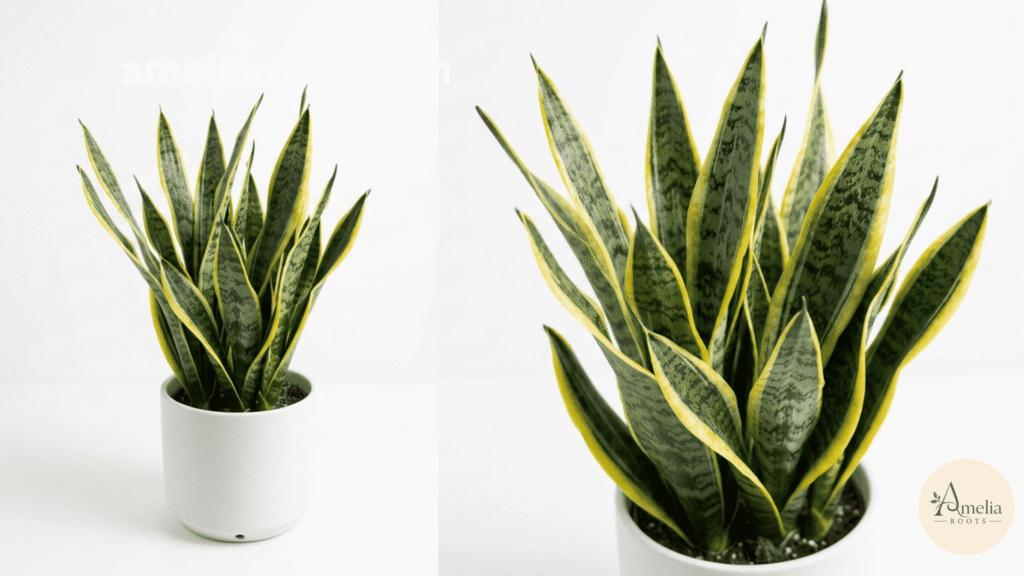
Light: Tolerates low light well. Grows extremely slowly—expect one new leaf every 6-12 months.
Water: Only when soil is completely dry throughout the pot. Usually every 3-5 weeks in low light.
Reality check: It won’t change. It’ll sit there, stable and unchanged. That’s the point. You’re building confidence that you can keep something alive.
Warning sign: Soft, mushy base means too much water. Cut back immediately.
Cost: $25-50
2. ZZ Plant (Zamioculcas zamiifolia)
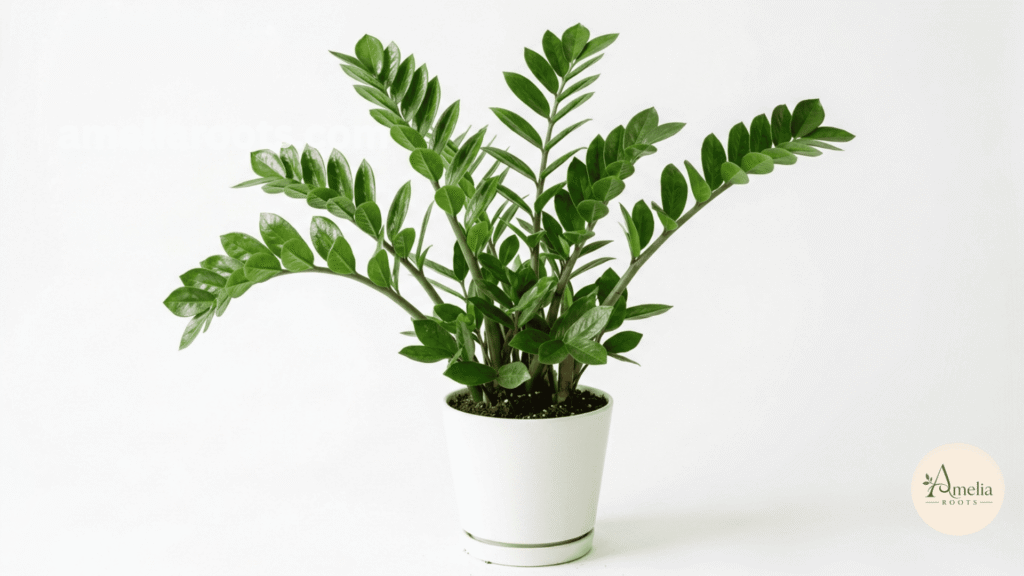
Light: Even more forgiving than snake plant. Waxy leaves lose water slowly.
Water: Every 3-5 weeks. More forgiving than snake plant if you accidentally miss a watering.
Reality check: Similar to snake plant—almost no visible growth. The advantage is it’s nearly impossible to kill through neglect alone.
Best for: People who want zero stress and zero change.
Cost: $30-60
3. Pothos (Epipremnum aureum)
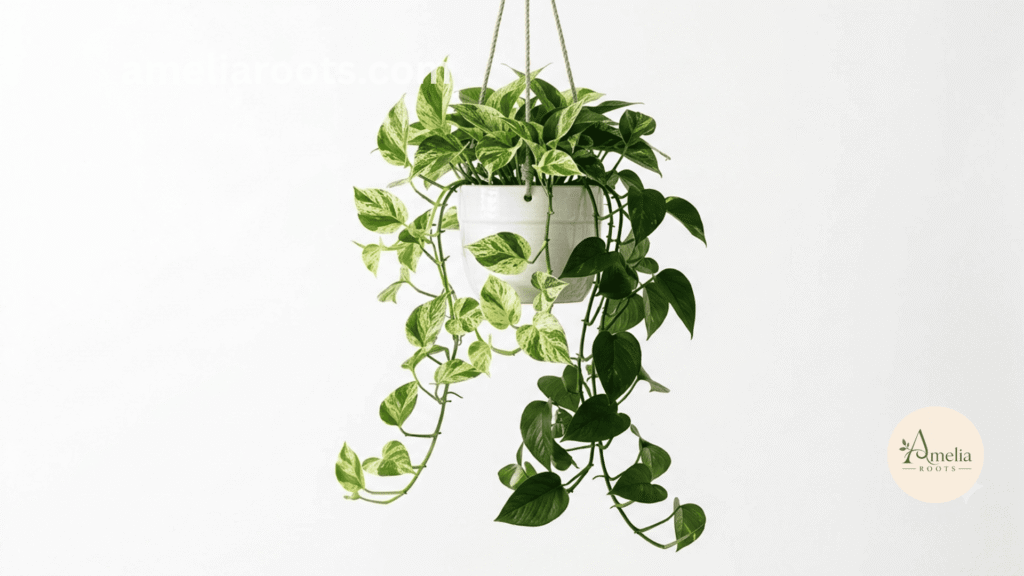
Light: Tolerates low light reasonably well. This is where growth becomes possible—slow, but visible.
Water: Every 1-2 weeks. Check soil first. It dries faster than snake/ZZ plants.
Reality check: Over 3-4 months, you’ll see the vine extend a few inches. Over a year, it might grow 12-18 inches total in low light (versus 6-12 inches per month in bright light).
Helpful signal: Variegation fades in low light. If your pothos turns solid green with sparse leaves, your light is truly minimal.
Warning sign: Leggy growth with large gaps between leaves means it’s reaching for light (normal, but a signal).
Cost: $10-25
4. Heartleaf Philodendron (Philodendron hederaceum)
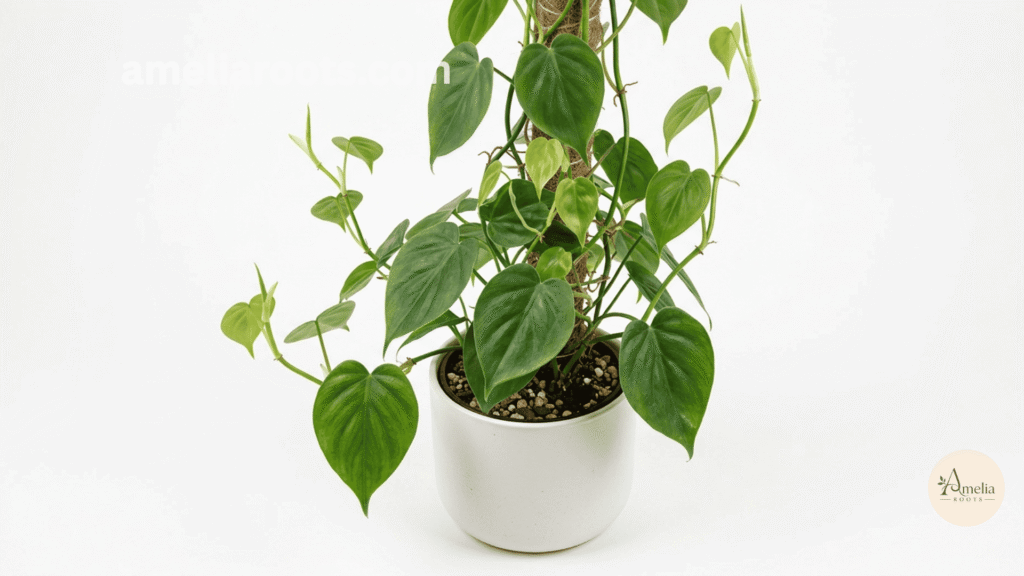
Light: Similar to pothos. Growth slightly slower but more stable.
Water: Every 1-2 weeks. Slightly more water-loving than pothos.
Reality check: Grows similarly to pothos—slow but visible over months.
Note: “Philodendron brasil” is a cultivar of heartleaf philodendron, not a separate species.
Cost: $15-30
5. Dracaena Marginata
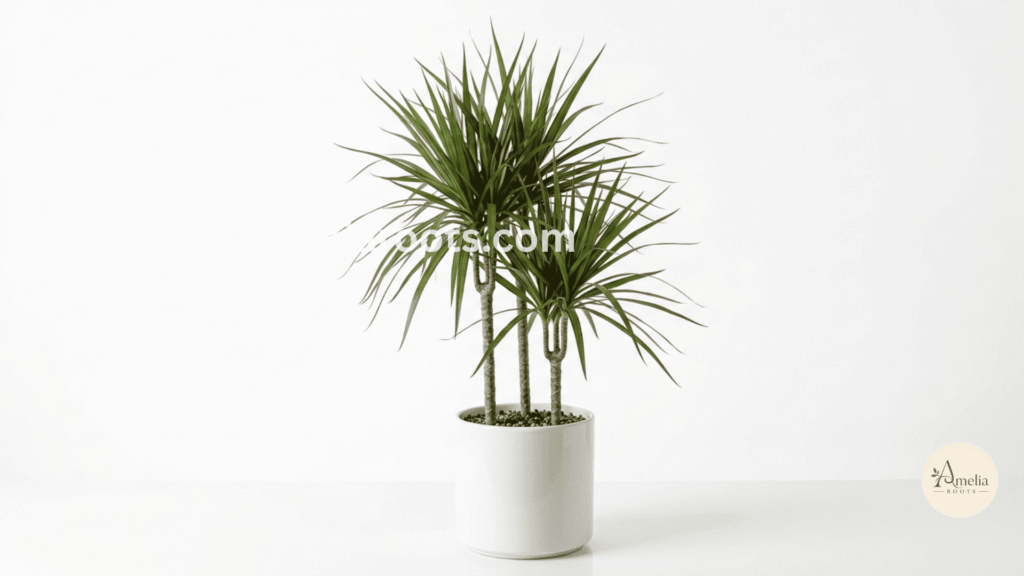
Light: Tolerates low light. African origin means it’s adapted to indirect light.
Water: Every 2-3 weeks when soil is dry.
Reality check: Upright, structured appearance means it looks mature even without growth. One new leaf cluster every 2-3 months.
Care tip: Wipe leaves monthly with a damp cloth. Removes dust, slightly improves light absorption.
Height: Reaches 3-4 feet over several years, giving visual presence to small apartments.
Cost: $20-40
6. Cast Iron Plant (Aspidistra elatior)
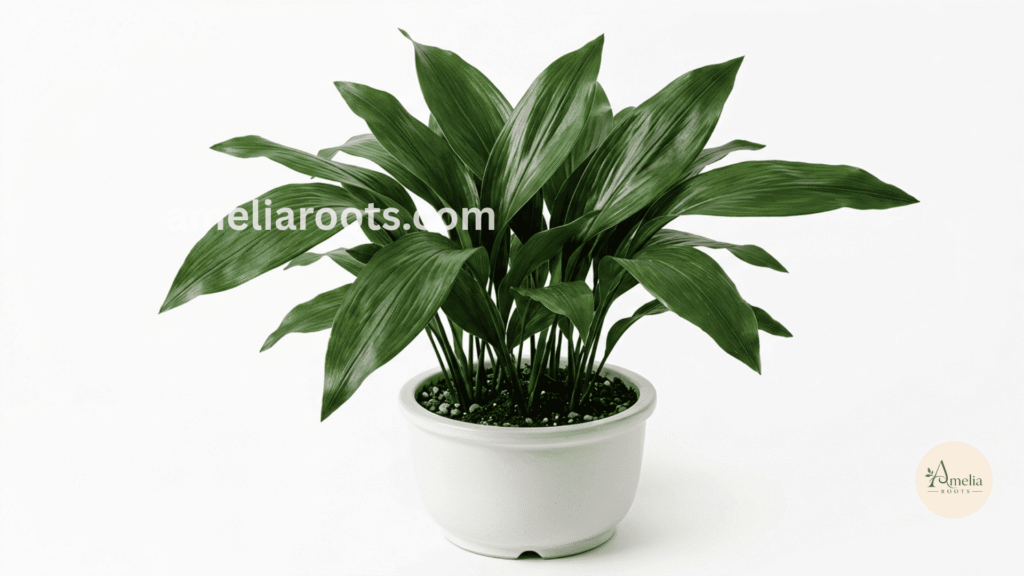
Light: The classic low-light plant. Genuinely tolerates very low conditions.
Water: Every 2-3 weeks. Prefers to dry slightly between waterings.
Pet-safe: YES. Non-toxic to cats and dogs. ASPCA Toxic and Non-Toxic Plants
Reality check: Almost no growth visible. This is purely about survival and aesthetic presence. It’s a workhorse plant—reliable, boring, and that’s the appeal.
Cost: $15-35
7. Spider Plant (Chlorophytum comosum)
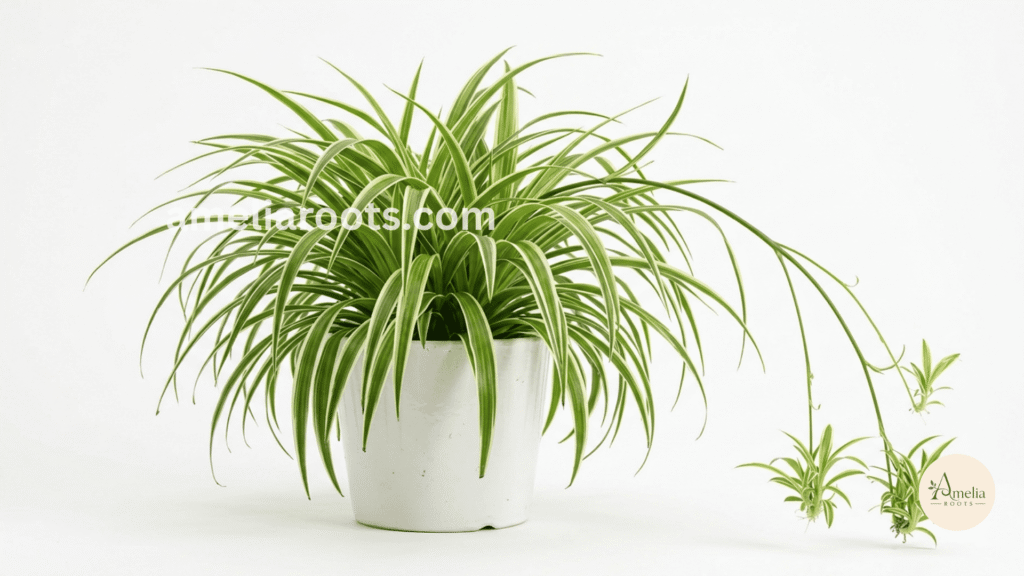
Light: More tolerant of low light than typically recommended.
Water: Every 1-2 weeks. Prefers evenly moist soil (not soggy).
Pet-safe: YES. Safe for cats and dogs.
Reality check: After 9-12 months, it produces baby plantlets (runners). That’s visible, tangible growth and reproduction—psychologically rewarding.
Tip: Only non-variegated varieties work well in low light. Variegated spider plants need brighter conditions.
Cost: $10-20
8. Chinese Evergreen (Aglaonema)
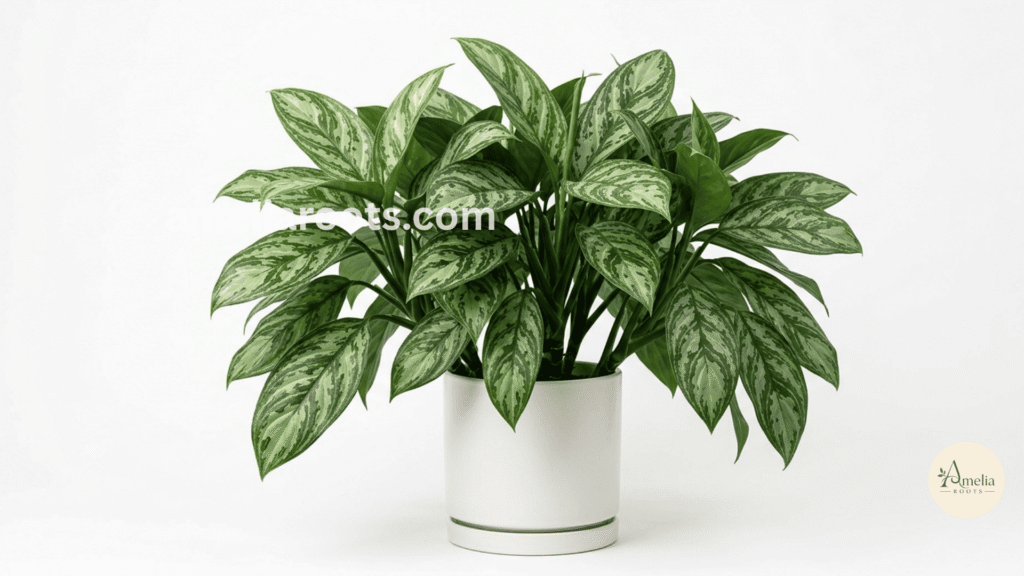
Light: Tolerates low light very well. Some varieties handle even darker spots.
Water: Every 1-2 weeks. Slightly more forgiving than pothos if you miss a watering.
Reality check: Slow growth, but leaves are attractive with patterns. Looks more intentional than pothos or heartleaf.
Cost: $15-35
9. Parlor Palm (Chamaedorea elegans)
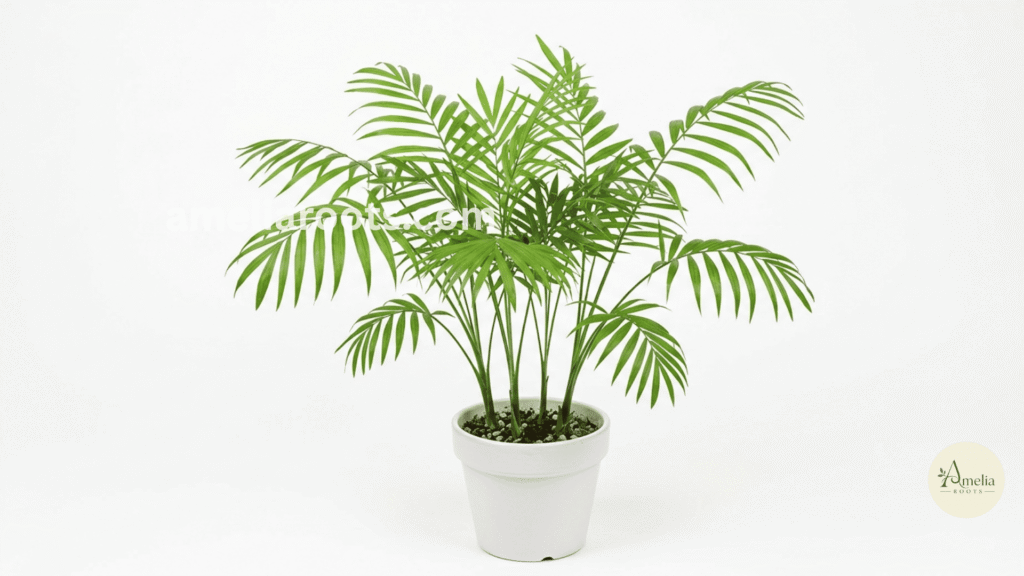
Light: Naturally shaded forest plant. Genuine low-light tolerance.
Water: Every 1-2 weeks. Prefers soil slightly moist but not soggy.
Pet-safe: YES. Safe for cats and dogs.
Reality check: Tropical feel without needing bright light. Very slow growth, but visual presence is immediate.
Cost: $20-40
10. Areca Palm (Dypsis lutescens)
Light: Surprisingly low-light tolerant for a palm.
Water: Every 1-2 weeks. Keep soil consistently moist (not wet).
Pet-safe: YES. Safe for cats and dogs.
Reality check: Gives tropical apartment feel. Growth is minimal, but mature appearance is instant.
Cost: $25-50
Pet Safety: Which Low-Light Plants Are Actually Safe
TOXIC to cats and dogs:
- Snake plant, ZZ plant, pothos, heartleaf philodendron, peace lily, dracaena, lucky bamboo
All contain compounds causing oral irritation if ingested. Source: ASPCA
Actually safe for pets:
- Spider plant, cast iron plant, parlor palm, areca palm
If you have pets, choose from the “safe” list. This is non-negotiable.
Plants to Avoid in Low Light
Succulents & cacti: Become leggy, thin, and eventually rot. They need intense direct light.
Herbs (basil, rosemary, sage): Decline rapidly. They evolved in Mediterranean sun—not apartment windows.
Orchids: Won’t flower in low light. Will decline over months. Need grow lights to thrive.
Variegated plants: The variegation fades when light is low. You’re paying for a feature that disappears.
Dormant vs. Dying: The Difference That Matters
You’ll see your plant change nothing for weeks or months. Is it dead?
Dormant (normal):
- Leaves are firm and normal colored
- No new growth for months
- Stems are sturdy, not soft
- No smell from soil
Dying (overwatering/root rot):
- Leaves turn yellow or brown
- Stems become soft or mushy
- Soil smells sour or musty
- Plant collapses quickly
This distinction prevents panic-watering, which kills more plants than anything else.
The Lead Magnet: Your Monthly Watering Guide
This is where most people fail: knowing when to water.
Monthly care changes. Humidity shifts. Growth expectations vary by season. And the wrong watering schedule kills plants faster than low light ever would.
Grab the Indoor Plants Care Kit — it’s free. Includes a month-by-month watering schedule, humidity adjustments for seasonal changes, and a one-page checklist for identifying dormant vs. dying.
Most people realize immediately: “Oh, that’s why my plant died in March. I was using a bright-light watering schedule.”
FAQ: Low-Light Plants for Apartments
How do I know if my apartment is actually low-light?
Use the hand shadow test (above). If the shadow is fuzzy or barely visible, it’s low light. North-facing windows and rooms far from windows qualify.
Can plants survive with no window?
No. Even low-light plants need some natural light, or a cheap LED bulb. Complete darkness = decline within 2-3 weeks.
How often should I water?
Check the soil. Push your finger two inches down. Only water if it’s dry. Don’t follow a calendar—conditions change seasonally.
Which low-light plants are pet-safe?
Spider plant, cast iron plant, parlor palm, and areca palm. Avoid snake plant, ZZ, pothos, heartleaf, peace lily, dracaena, and lucky bamboo if you have pets.
Do I need a grow light?
Only if you want actual growth and variety. Low-light plants will survive without one, but grow lights expand your options dramatically.
Moving Forward
Start with one plant—snake plant or ZZ plant.
Keep it alive for three months. Don’t expect growth. Just don’t kill it.
After three months, decide: Do you want more low-light plants? Or do you want grow lights for faster growth and more variety?
Both choices are valid. Neither is failure.
The plants that survive in low light aren’t flashy or fast-growing. They’re reliable. And honestly, that’s what apartments need.
Sources:

Content writer and SEO specialist with 3+ years of experience in research-driven digital content. At Amelia Roots, he turns carefully researched indoor gardening information into clear, practical guidance for houseplant owners and home gardeners. His work combines content research, search intent, and reader-focused writing with the site's editorial and subject-matter review process.