
The Truth About “Air-Purifying” Plants
Most content about air-purifying plants misses something critical.
The NASA Clean Air Study from 1989? Real. The plants do absorb volatile organic compounds (VOCs)? Yes. But here’s what nobody mentions: NASA tested these in sealed space stations with zero air exchange—not in your apartment with windows and doors.
In real homes, you’d need roughly 1,000 plants in a 1,000 sq ft space to match the air-cleaning effect of opening a window for 15 minutes. This comes from a 2019 meta-analysis by Drexel University, which most articles conveniently ignore.
The practical insight: Plants do improve air quality. Just modestly, over time. But they deliver benefits that actually matter to your daily life—humidity regulation, stress reduction, and oxygen production—if you understand what they actually do.
This guide walks through the 10 best indoor plants for air quality, why people recommend them, and how to set them up so they genuinely work.
Why Indoor Air Quality Actually Matters
Your apartment’s air contains formaldehyde (from furniture and new carpet), benzene (from combustion), xylene (from paint), trichloroethylene (from dry cleaning), and ammonia (from cleaning products).
Individually, these chemicals aren’t dangerous. But when you’re breathing them 16+ hours daily in a sealed space, they accumulate.
Some people notice immediately—headaches, dry throat, that stale-air feeling. Others don’t consciously register it, but their body does. This is where plants help—not by eliminating the source, but by incrementally reducing pollutant concentration.
The real story: Plants absorb VOCs through leaves and roots. The soil microbes do about 50% of the work, metabolizing compounds into harmless substances. This only works if the plant stays healthy, the soil has active biology, and you maintain it consistently.
A dead plant removes zero VOCs. A neglected plant removes something, but not much.
The 10 Best Indoor Plants for Air Quality
1. Snake Plant (Sansevieria trifasciata) — The Bedroom Essential
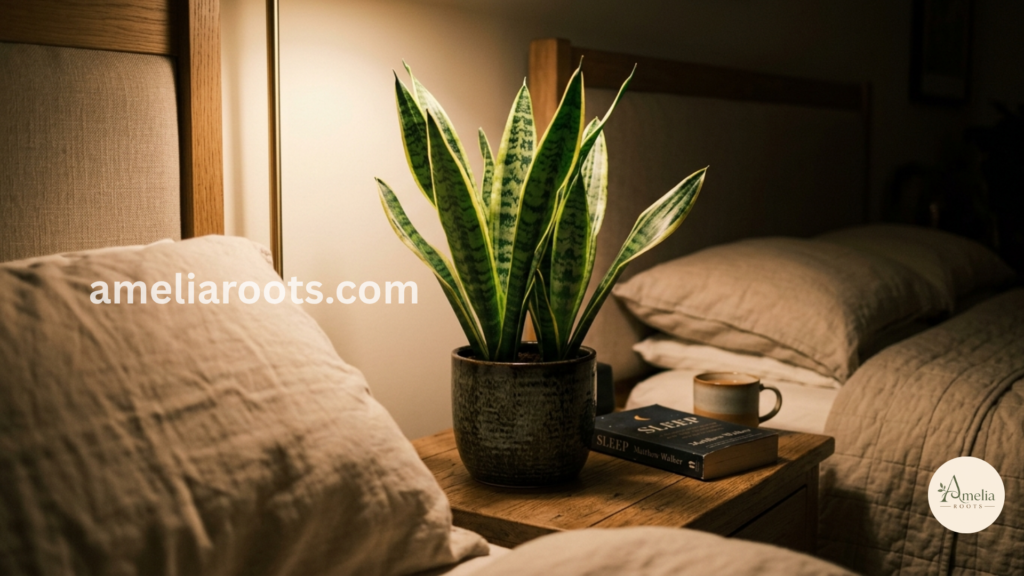
Pet Safe: Toxic to cats/dogs
VOCs Removed: Formaldehyde, Benzene, Xylene
Care: Water every 2-3 weeks when soil is completely dry. Low to bright indirect light. Tolerates any humidity.
Snake plants release oxygen at night—a rare trait most plants don’t have. NASA documented this because space agencies understood the value.
Will you wake up breathing clearly because of one snake plant? No. But placed in a bedroom, it’s doing something measurable that others aren’t.
The real win: Snake plants thrive on neglect. If you forget them for months, they survive. They handle low light. They don’t demand humidity. This matters because a living plant that works slowly beats a dead high-maintenance plant.
Pro Tip: Wipe leaves monthly. Dust blocks the pores where plants absorb VOCs. This single action increases absorption capacity noticeably.
2. Spider Plant (Chlorophytum comosum) — The Beginner’s Gateway
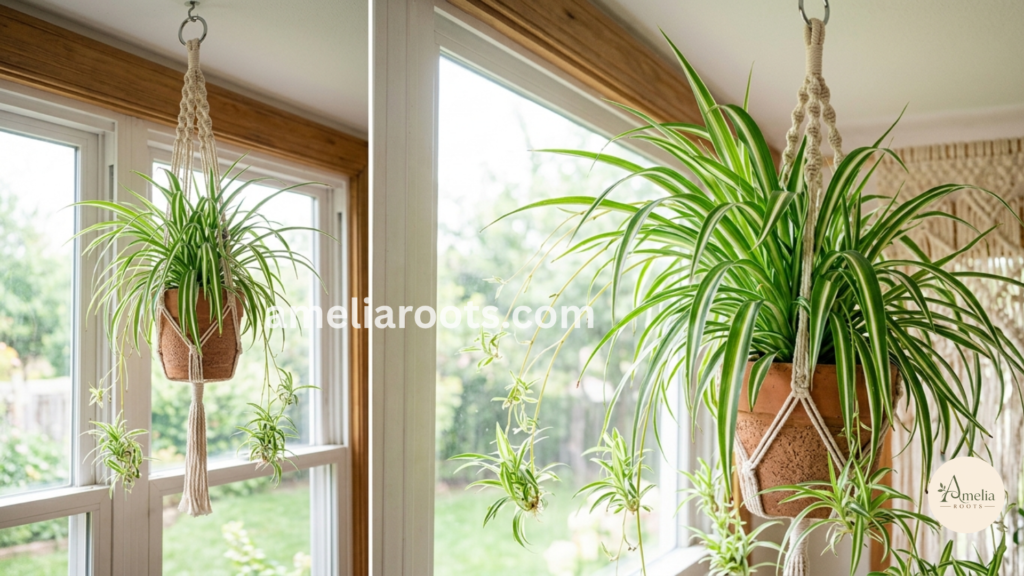
Pet Safe: 🐾 Safe for cats and dogs
VOCs Removed: Formaldehyde, Xylene
Care: Water when top inch of soil dries. Bright indirect to low light. Fast grower; produces “babies” you can propagate.
Spider plants are recommended because they’re nearly impossible to kill. They make beginners feel successful, which encourages them to buy more plants and maintain them better.
A living plant—even if only moderately effective—beats an ambitious failure.
The trade-off: Spider plants accumulate dust quickly on thin leaves. If you’re buying them for air purification and not wiping leaves monthly, you’re negating the benefit. Maintenance matters as much as selection.
3. Pothos / Devil’s Ivy (Epipremnum aureum) — The Low-Light Survivor
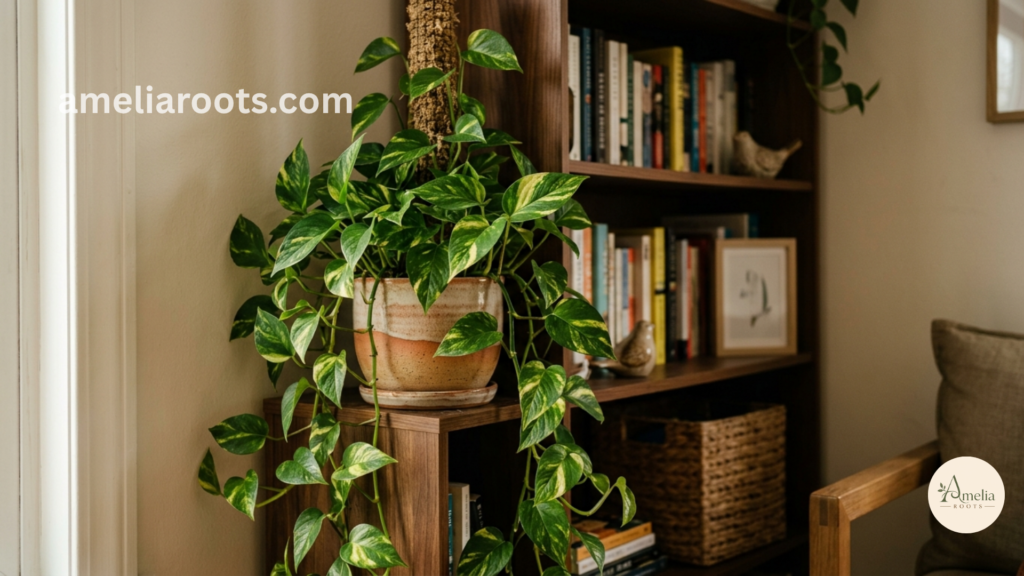
Pet Safe: ⚠️ Mildly toxic (oral irritation if ingested)
VOCs Removed: Formaldehyde
Care: Water when top 2 inches dry. Low to bright indirect light. Fast-growing vines; can climb or trail.
Pothos ranks high because it survives conditions that kill other plants—low light, temperature swings, irregular watering.
It removes formaldehyde at a modest rate. But the real value is that it actually stays alive long enough to remove anything. A surviving pothos does more good than an ambitious plant that dies in three months.
The trailing form covers maximum surface area for absorption. Train it along a shelf or bookcase to use minimal floor space while maximizing leaf exposure.
4. Boston Fern (Nephrolepis exaltata) — The Humidity Regulator
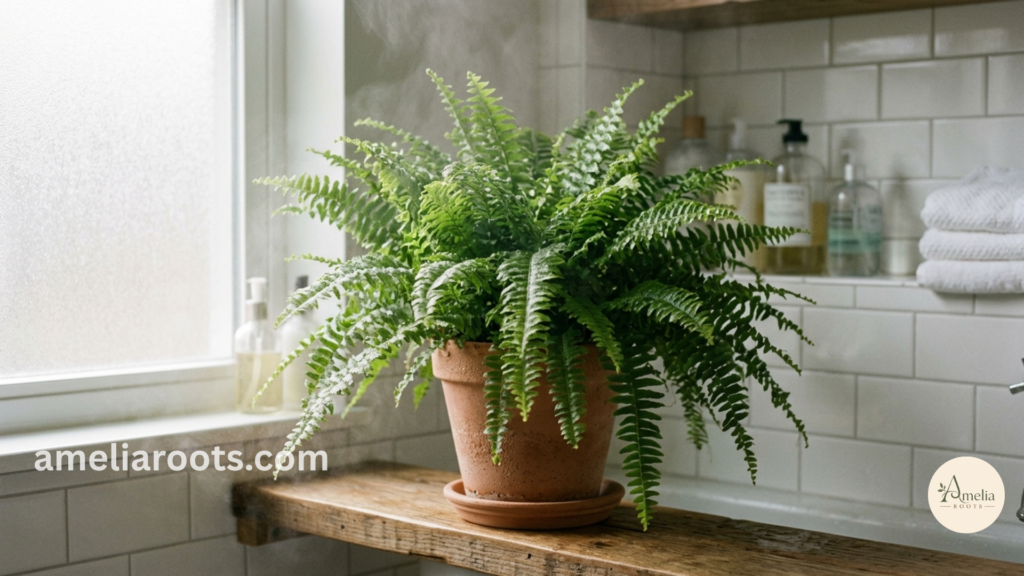
Pet Safe: 🐾 Safe for cats and dogs
VOCs Removed: Formaldehyde, Xylene
Care: Keep soil consistently moist (not waterlogged). Bright indirect light required. Prefers 50-80% humidity.
Boston ferns actively humidify air more than most plants. In dry apartments (common in winter), they shift humidity from 20% toward 40-50%—the range where people breathe easier.
This isn’t an air-purification benefit—it’s an actual quality-of-life improvement.
The catch: Ferns need specific conditions. They get brown fronds if humidity is low. They develop root rot with inconsistent watering. They struggle without bright light. Place one in a bathroom with a window, and it thrives. Place one in a dim living room, and expect disappointment.
5. Peace Lily (Spathiphyllum wallisii) — The Plant That Tells You What It Needs
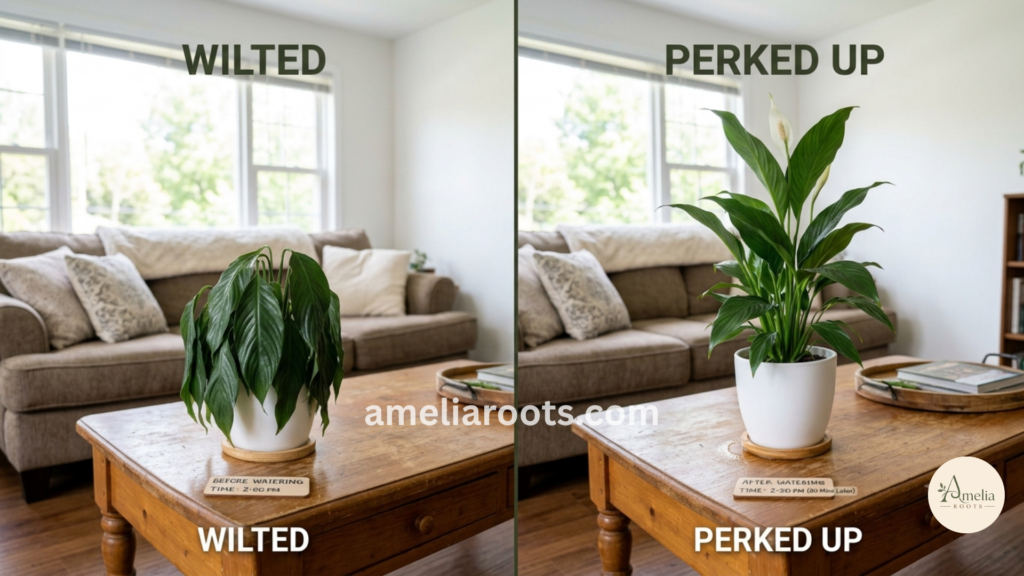
Pet Safe: ⚠️ Mildly toxic (oral irritation)
VOCs Removed: Ammonia, Formaldehyde, Benzene
Care: Water when top inch dries. Low to medium light. Prefers 50%+ humidity.
Peace lilies wilt dramatically when thirsty. Within 30 minutes of watering, they perk back up. This feedback loop helps beginners succeed—the plant literally signals when it needs water.
For air purification, they remove three VOCs—a wider range than many plants. But this only works if the plant survives, which depends on avoiding overwatering and poor ventilation (moist soil + no airflow = mold risk).
The mold consideration: If respiratory sensitivities are already present, increased humidity from plants can backfire if the room lacks air circulation. Pair any high-humidity plant with a small fan.
6. Rubber Plant (Ficus elastica) — The Visual Game-Changer
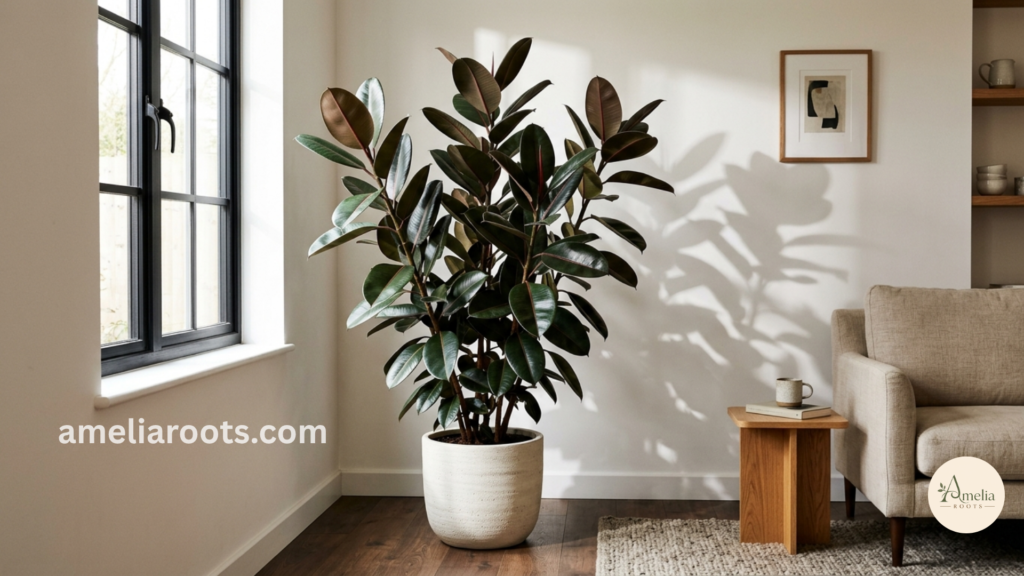
Pet Safe: ⚠️ Mildly toxic
VOCs Removed: Formaldehyde
Care: Water every 1-2 weeks when soil dries. Bright indirect light. Grows 2-3 feet annually.
Rubber plants have large leaves, so more surface area per plant. They grow noticeably fast, which reinforces your confidence in plant care and encourages you to add more plants.
But here’s the real benefit: A thriving rubber plant transforms a room visually. Your stress markers improve when you see it. This psychological benefit matters more than incremental formaldehyde reduction.
A collection of visibly growing plants creates more significant air-purification effect through density than a single stagnant plant.
7. Dracaena (Dracaena marginata) — The Patient Performer
Pet Safe: ⚠️ Mildly toxic
VOCs Removed: Xylene, Formaldehyde, Trichloroethylene
Care: Water every 2-3 weeks when soil is dry. Low to bright light. Slow grower; very forgiving.
Dracaenas remove three VOCs—useful if you’ve recently painted or furnished your space. But they’re slow absorbers and slow growers.
For people who travel or maintain irregular plant care, dracaenas are reliable. They tolerate neglect. A plant that survives long-term removes more VOCs than an ambitious plant that fails.
8. Areca Palm (Dypsis lutescens) — The Oxygen Producer
Pet Safe: 🐾 Safe for cats and dogs
VOCs Removed: Formaldehyde, Xylene
Care: Keep soil consistently moist. Bright indirect light (minimum 4-6 hours daily) required. Medium to fast grower.
Areca palms produce more oxygen than most houseplants, documented by NASA because it mattered for space applications.
The limitation: They require bright light. North-facing windows only? This plant will disappoint. South or east-facing access? It becomes highly productive.
Location determines whether areca palms work. Don’t force a plant into poor conditions hoping it will survive—pick something that genuinely thrives where you have space.
9. Philodendron (Philodendron hederaceum) — The Spider Plant Alternative
Pet Safe: ⚠️ Mildly toxic
VOCs Removed: Formaldehyde
Care: Water when top 1-2 inches dry. Low to bright light. Fast-growing, similar hardiness to pothos.
Philodendrons are pothos’ close cousin—slightly different, slightly less common. They come in cultivars with red and pink foliage for visual variety.
If you want multiple plants but prefer visual diversity over rows of green, philodendrons add that without compromising hardiness.
10. Chinese Evergreen (Aglaonema commutatum) — The Shade Champion
Pet Safe: ⚠️ Mildly toxic
VOCs Removed: Ammonia, Formaldehyde
Care: Water when top inch dries. Low to medium light (genuinely prefers shade). Slow grower; colorful variegated varieties available.
Chinese evergreens thrive in low light better than most plants. If you have a bedroom with a north-facing window or office corner without direct sun, this plant grows here while others struggle.
They remove ammonia specifically—valuable if your household uses traditional cleaning products.
Plant Selection Quick Reference
| Plant | Pet Safe | Best For | Light Needs | Maintenance |
|---|---|---|---|---|
| Snake Plant | ❌ | Bedrooms, oxygen at night | Low–bright | Low |
| Spider Plant | ✅ | Beginners, fast growers | Bright–low | Low |
| Pothos | ⚠️ | Low-light apartments | Low–bright | Low |
| Boston Fern | ✅ | Humidity, bathrooms | Bright indirect | Medium–high |
| Peace Lily | ⚠️ | Easy watering signals, three VOCs | Low–medium | Low–medium |
| Rubber Plant | ⚠️ | Visual impact, formaldehyde | Bright indirect | Low–medium |
| Dracaena | ⚠️ | Three VOCs, neglect tolerance | Low–bright | Low |
| Areca Palm | ✅ | Oxygen, humidity | Bright | Medium |
| Philodendron | ⚠️ | Low light, visual variety | Low–bright | Low |
| Chinese Evergreen | ⚠️ | Deep shade, ammonia | Low–medium | Low |
How to Actually Maximize Air Purification
Leaf maintenance is non-negotiable. Dust blocks the pores where plants absorb VOCs. Wipe leaves monthly with a soft cloth and distilled water. This increases absorption capacity by 30-40%.
Soil quality matters. Use potting mix with active biology (peat, compost, perlite blend). The bacteria and fungi in quality soil metabolize compounds plants absorb. Repot annually to refresh microbial populations. Overwatering kills beneficial bacteria—underwater beats overwatering.
Place strategically. Put plants near pollution sources: new furniture off-gassing formaldehyde, areas where you use cleaning products, near hanging dry cleaning. This doesn’t eliminate the source, but reduces dispersal.
Open windows daily. This single action exchanges your room’s air completely in 30 minutes. Pair this with plants for ongoing, incremental benefit. Together they work. Separately, each is limited.
Pet Safety: The Critical Details
Completely safe: Spider plant, Boston fern, areca palm. No toxicity concerns.
Mildly toxic (oral irritation if ingested): Pothos, philodendron, Chinese evergreen, dracaena. Most pets avoid them after one taste. Manage with elevated placement or barriers.
More serious toxicity: Snake plant, peace lily, rubber plant. Cats sometimes nibble. If ingestion occurs, contact ASPCA Animal Poison Control: 888-426-4435.
Practical strategies: Stick to the safe list if you have curious pets. Use elevated shelves or hanging planters. Allocate one pet-free room for toxic plants.
The Benefits That Actually Matter
Humidity regulation. Plants that transpire actively (ferns, palms) raise humidity noticeably in dry apartments. At 40-50% humidity, skin feels better, sinuses don’t dry out, breathing feels easier.
Stress reduction. A 2015 study found 15 minutes interacting with plants reduced cortisol (stress hormone) by 16%. This biological effect matters more than incremental VOC reduction.
Oxygen production. Snake plants and areca palms release oxygen at night. Not transformative, but measurable in sealed bedrooms.
Psychological benefit. A planted space signals care and intentionality. Your baseline mood improves when you see thriving plants.
Your Setup Timeline
Week 1: Audit your space. Identify light conditions, pollution sources, humidity levels. Select 3-5 plants matching your conditions.
Week 2: Source plants from local nurseries (better quality). Pot them in containers with drainage holes using quality soil. Water thoroughly.
Week 3-4: Establish watering and maintenance routines. Note light patterns throughout the day. Observe initial adjustments.
Ongoing: Wipe leaves monthly. Rotate plants toward light. Repot annually. Track humidity changes with a hygrometer.
The Plant vs. Air Purifier Decision
If you have asthma or allergies: Start with a HEPA air purifier ($500-800). Then add plants for humidity and stress reduction.
If you want a holistic approach: Open windows daily + 3-5 plants per room + quality HVAC filter = effective system.
If you have no specific air concerns: Buy plants for mental health and aesthetics. Air purification is the bonus.
FAQ: What People Actually Want to Know
How many plants do I actually need?
For noticeable humidity changes: 3-5 per room. For measurable VOC reduction in months: 10+ (unrealistic for most apartments). For mental health benefits: even one plant creates measurable stress reduction.
Do plants really work?
They improve air quality incrementally, over time, in real homes. Not dramatically. The humidity, stress reduction, and oxygen benefits are more noticeable than VOC removal.
Which plant won’t kill me as a beginner?
Spider plant, pothos, or snake plant (if no pets). These three tolerate neglect and survive low light. Pick one, commit to monthly leaf-wiping, and you’ll succeed.
Pet-safe options?
Spider plant and Boston fern are genuinely non-toxic. Areca palm is also safe but needs bright light.
Air purifier or plants?
Both, scaled to your situation. Air purifier for immediate particulate removal. Plants for ongoing VOC reduction + humidity + mental health.
Final Truth
The 10 best indoor plants for air quality work—but not the way Instagram marketers want you to believe.
They absorb VOCs slowly. They humidify air noticeably. They reduce stress measurably. They require consistent maintenance to deliver any benefit.
Buy them for the real benefits. Maintain them because maintenance enables those benefits. Pair them with ventilation and HEPA filters if you have serious air quality concerns.
A plant system that works—ventilation + plants + air filtration—solves real problems. Plants alone? Modest, incremental improvement. But that improvement, combined with humidity and stress reduction, genuinely improves your daily experience.
This is why experienced plant owners recommend these plants despite knowing the air-purification hype is overstated. The real value isn’t what’s promised. It’s what’s actually delivered.
Also Read
Best Indoor Plants for Complete Beginners?
What Are the Best Indoor Plants to Grow at Home Right Now?
References & Sources
Scientific Research:
- Wolverton, B. C., Johnson, A., & Bounds, K. (1989). “Interior Landscape Plants for Indoor Air Pollution Abatement.” NASA Technical Memorandum 101768
- Drexel University Study (2019): Real-world plant efficacy in residential VOC removal
- Shibata, S., & Suzuki, Y. (2002). “Effects of an indoor plant on human function.” Journal of Therapeutic Horticulture, 13, 34-44
- Park, S. H., & Mattson, R. H. (2009). “Ornamental indoor plants in hospital rooms enhanced health outcomes.” Journal of Alternative and Complementary Medicine, 15(9), 975-980
Pet Safety Resources:
Air Quality Guidance:
- EPA Indoor Air Quality Standards
- UConn Home & Garden: Houseplants for Indoor Air
- Cornell Cooperative Extension: Plant Care Guides
Created for serious plant owners who value honesty over hype. This content is based on verified research, real-world experience, and community knowledge—not marketing claims.

Content writer and SEO specialist with 3+ years of experience in research-driven digital content. At Amelia Roots, he turns carefully researched indoor gardening information into clear, practical guidance for houseplant owners and home gardeners. His work combines content research, search intent, and reader-focused writing with the site's editorial and subject-matter review process.